

|
1kits(10Vials)
| Quantity: | |
|---|---|
▎Selank Structure
Source: PubChem |
Sequence: TKPRPGP Molecular Formula: C33H57N11O9 Molecular Weight: 751.9 g/mol CAS Number: 129954-34-3 PubChem CID: 11765600 Synonyms: Sel |
▎Selank Research
Molecular Background
Selank is a synthetic tuftsin-derived heptapeptide composed of Thr-Lys-Pro-Arg-Pro-Gly-Pro (TKPRPGP). PubChem lists Selank under CID 11765600, with the molecular formula C33H57N11O9 and a molecular weight of approximately 751.9 g/mol.[9]
Research Progress
I. B. Filippenkov and colleagues used a rat transient middle cerebral artery occlusion (tMCAO) model and performed RNA sequencing on frontal cortical tissue 4.5 hours after ischemia. The authors identified 118 differentially expressed genes after Selank exposure compared with saline, including 19 upregulated and 99 downregulated genes. Sixty genes increased by ischemia alone showed lower expression in the Selank study group; functional analysis also identified changes in neuroreception- and immune-related gene sets.[1]
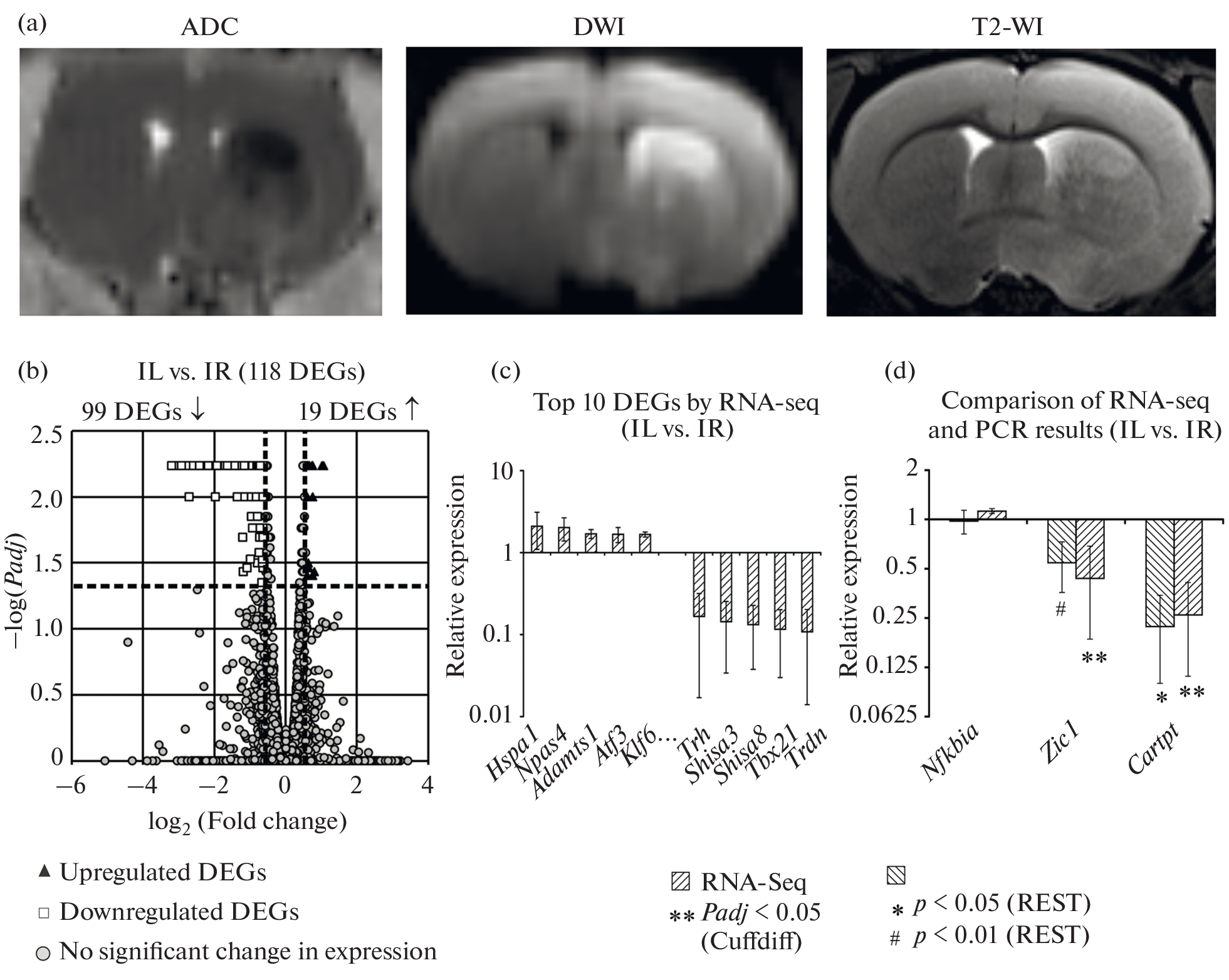
Fig1. Effect of Selank on the transcriptome of a rat frontal cortical region 4.5 h after tMCAO in the cited study.[1]
(a) MRI of ischemic regions was performed 4.5 h after tMCAO. A DWI scan with an ADC map and a T2-WI scan show the formation of regions of ischemic damage. A hyperintense signal reflects ischemic damage to the territory of the right middle cerebral artery. (b) Volcano plot illustrates the differences in mRNA expression between the IL and IR groups. (c) Changes in expression are characterized for top 10 DEGs with maximum fold changes and maximum significance by Padj in the IL vs. IR comparison. (d) PCR was used to verify the RNA-seq data. Each group included five rats in the PCR test and three rats in the RNA-seq test. Data are presented as mean ± standard error of the mean.
I. B. Filippenkov and colleagues also examined hippocampal gene expression in rats exposed to acute restraint stress. Selank was administered before a 1-hour immobilization period, and hippocampal tissue was analyzed 2 hours after stress onset using RNA sequencing. The authors reported changes in the expression of 549 genes in stressed rats receiving Selank, including genes associated with antigen processing and neural signal transmission. In rats receiving Selank without acute stress, no significant hippocampal gene-expression changes were detected under the conditions of the study.[2]
N. V. Kost and colleagues evaluated Selank in combination with benzodiazepine tranquilizers in male BALB/c mice using elevated-plus-maze and motor-activity experiments. Compared with mice receiving the benzodiazepines alone, the authors reported changes in open-arm behavior after combined administration of Selank with diazepam or mezapam. In separate motor-activity experiments, Selank reduced the suppression of movement observed with diazepam and olanzapine, while the same response was not reported with haloperidol. These findings were generated in a mouse behavioral model under the conditions described in the study.[3]
Volkova and colleagues used real-time PCR to analyze 84 genes involved in neurotransmission in the frontal cortex of rats 1 and 3 hours after administration of Selank or GABA. The panel included genes encoding GABA receptor subunits, transporters, ion channels, dopamine receptors, and serotonin receptors. The authors reported significant expression changes in 45 genes at 1 hour and in 22 genes at 3 hours. Changes observed 1 hour after Selank administration were positively correlated with those observed after GABA under the experimental conditions.[4]
L. G. Kolik and colleagues studied male rats after prolonged ethanol exposure followed by withdrawal. A subgroup of animals with high ethanol-drinking motivation received Selank during the withdrawal period. Twenty-four hours after the final administration, brain regions were collected and neurotransmitter amino acids were quantified by HPLC with fluorescence detection. The authors reported lower withdrawal-associated levels of selected amino acids in the Selank group, including aspartate, glycine, and taurine in the hypothalamus, GABA in the nucleus accumbens, and aspartate and glycine in the striatum, compared with the corresponding withdrawal model.[5]
M. A. Konstantinopolsky and colleagues used a naloxone-precipitated morphine-withdrawal model in outbred rats. After a single Selank administration under the study protocol, the authors reported a 39.6% lower total withdrawal score than in the active-control group, together with differences in convulsive reactions, ptosis, postural abnormalities, and tactile-sensitivity threshold. Diazepam was included as a comparator and produced a larger change in the total withdrawal score in this model.[6]
Mariyam U. Sergalieva and colleagues examined Selank and Pro-Gly-Pro in male rats with experimental hyperthyroidism induced by L-thyroxine. Behavioral activity was assessed using the open-field test and elevated-plus-maze procedures. The authors reported changes in exploratory and motor behavior in the peptide study groups compared with untreated hyperthyroid animals. These observations were limited to the experimental rat model described in the publication.[7]
Research Limitations
The available non-human data show model-dependent responses to Selank. Vasil'eva and colleagues compared BALB/c and C57BL/6 mice and reported strain-dependent differences in baseline NMDA-receptor glycine-site binding as well as different responses after Selank exposure. These findings indicate that receptor-level observations from one rodent strain should not automatically be generalized to another strain or experimental system.[8]
The same study compared intraperitoneal and intranasal administration and measured NMDA glycine-site binding in the cortex and hippocampus, but it did not establish quantitative central nervous system pharmacokinetic parameters such as blood-brain barrier permeability, brain concentration-time profiles, or intracerebral half-life. Receptor-binding results therefore should not be used as a substitute for pharmacokinetic data.[8]
COCER Peptides presents Selank solely for laboratory research and analytical use. It is not intended for human or veterinary use. The research described above summarizes findings reported in third-party publications and is not a statement of clinical efficacy, safety, diagnosis, treatment, prevention, or an instruction for use.


