▎GLP-2 Research
Molecular Background
Tirzepatide is a synthetic 39-amino-acid linear peptide that acts at the glucose-dependent insulinotropic polypeptide receptor (GIPR) and glucagon-like peptide-1 receptor (GLP-1R). Its structure includes a C20 fatty diacid moiety attached through a linker to a lysine residue. PubChem lists Tirzepatide under CID 156588324, with the molecular formula C225H348N48O68 and a molecular weight of approximately 4,813 g/mol.[7]
Research Progress
Yusaku Mori and colleagues administered GLP-2, semaglutide, or vehicle to non-diabetic C57BL/6 mice and diabetic KK-Ay mice and induced arterial remodeling by femoral-artery wire injury. A subset of animals also received the nitric oxide synthase inhibitor Nω-nitro-L-arginine methyl ester (L-NAME). After 4 weeks, the investigators performed biochemical, morphometric, and immunofluorescence analyses. In parallel HUVEC experiments, GLP-2 and liraglutide were examined for effects on nitric oxide production. The authors reported lower intimal hyperplasia in GLP-2-exposed non-diabetic mice, including at a study dose that did not alter measured metabolic parameters, while semaglutide did not show the same finding at the molar-equivalent dose. L-NAME abolished the GLP-2-associated response. In diabetic mice, both peptides were associated with changes in metabolic parameters and intimal hyperplasia. In HUVECs, the authors reported a concentration-dependent increase in nitric oxide production after GLP-2 exposure.[1]
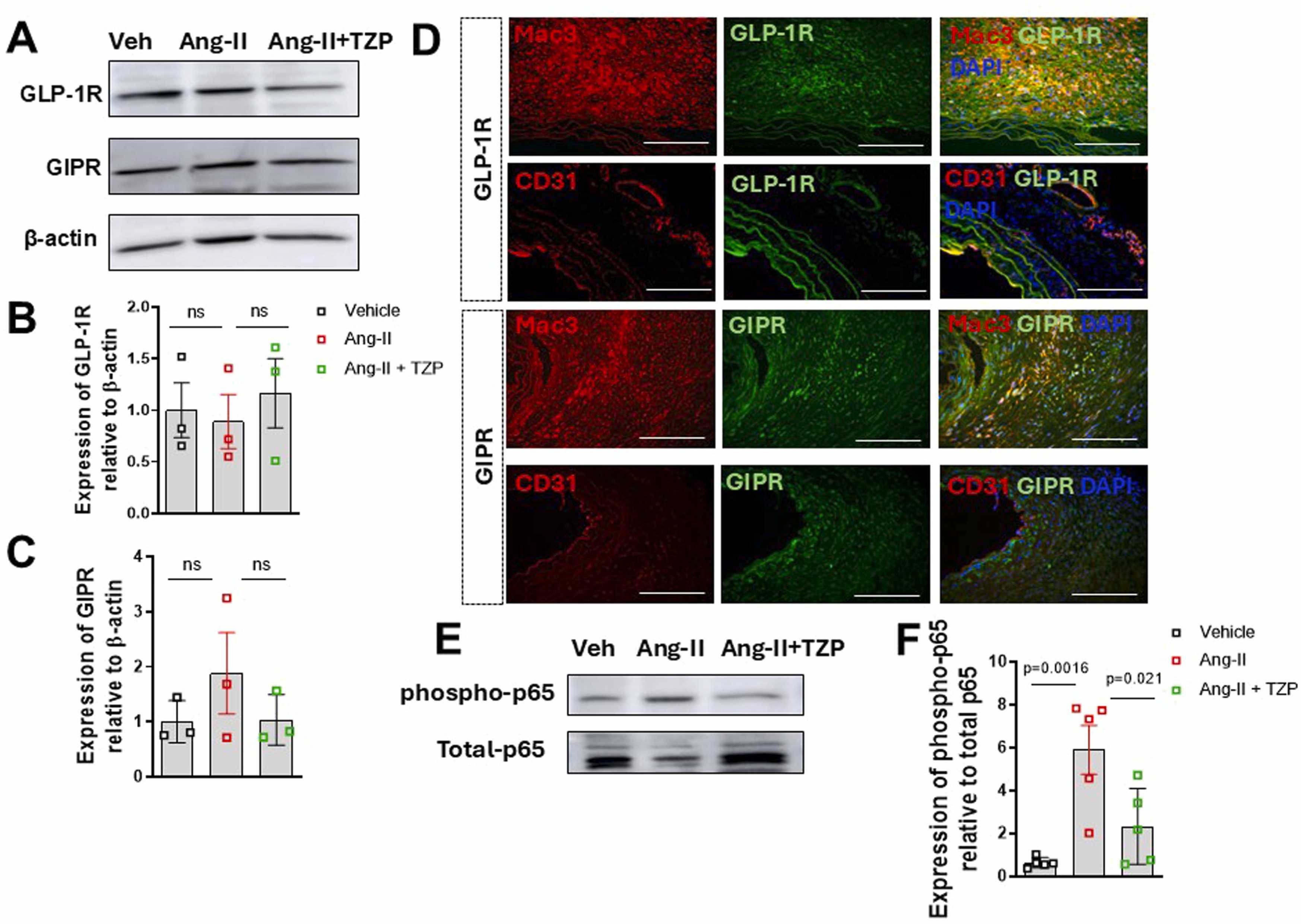
Álvaro Gómez-Martín and colleagues used a parallel-plate flow chamber to examine TNF-α-induced leukocyte-endothelial interactions and measured GLP-1R, GIPR, adhesion molecules, inflammatory mediators, and NF-κB signaling. The investigators also studied GLP-2 in an angiotensin II-infused apoE−/− mouse model. They reported GLP-1R and GIPR expression in human endothelial cells and mouse aortic tissue, together with lower leukocyte-endothelial interactions and changes in VCAM-1, ICAM-1, CX3CL1, MCP-1, RANTES, and NF-κB-related measurements after GLP-2 exposure. In the mouse model, the authors also reported differences in aneurysm dilation and incidence after the 28-day study period.[2]
![Fig1]()
Fig1. GLP-1R and GIPR expression and NF-κB-related measurements reported in the suprarenal aortas of apoE−/− mice in the cited study.[2]
A, representative western blot images of GLP-1R and GIPR expression in aortic tissue. B-C, protein expression quantification relative to β-actin. D, representative colocalization images of GLP-1R and GIPR with macrophage (Mac3) and endothelial-cell (CD31) markers. E-F, p65/NF-κB phosphorylation measurements. Group sizes and statistical methods are reported in the original publication.[2]
Julie Oliveira A. Bittencourt and colleagues established control, ovariectomy, obesity-diabetes, and obesity-diabetes plus ovariectomy mouse groups using ovariectomy and/or a high-fat, high-sucrose diet. After 12 weeks, study groups received GLP-2 for 4 weeks. The authors reported lower body weight and relative brown-adipose-tissue mass in the GLP-2 groups, together with changes in leptin, insulin, MCP-2, and resistin. Histological and molecular analyses also showed differences in adipocyte morphology, thermogenic markers including UCP-1 and the β3-adrenergic receptor, mitochondrial-fusion genes, endoplasmic-reticulum stress markers, autophagy-related markers, and the brown-adipose-tissue transcriptomic profile under the conditions of the model.[3]
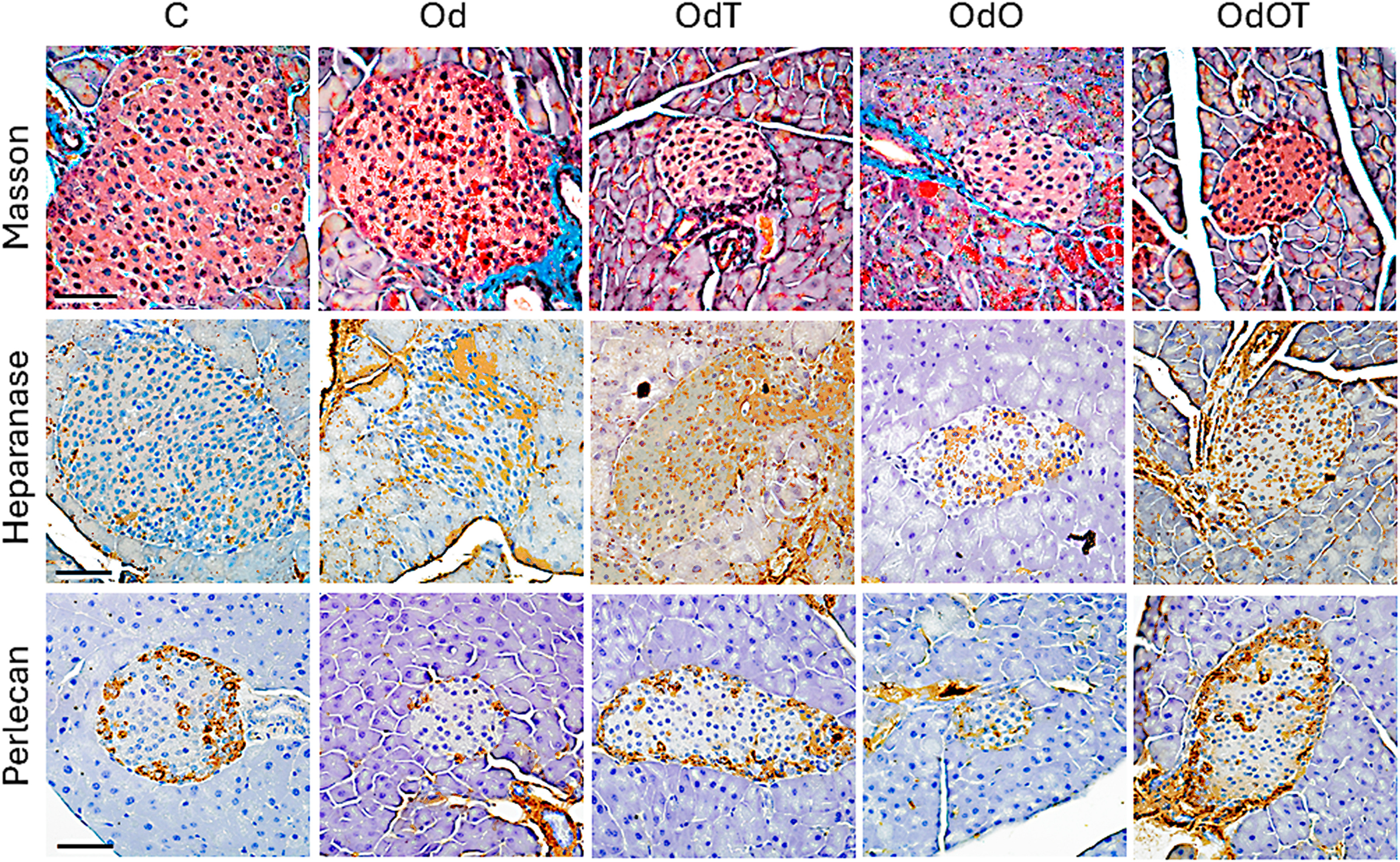
Pedro H. Reis-Barbosa and colleagues examined pancreatic-islet extracellular matrix in a mouse model combining obesity, diabetes, and ovariectomy. The authors reported lower expression of type I and VI collagen, matrix metalloproteinases 2 and 9, and CD44 in GLP-2 study groups, together with differences in perlecan, heparan sulfate proteoglycans, VEGF, endothelial markers, and transcripts associated with amyloid formation and extracellular-matrix remodeling. Multivariate analysis identified GLP-2 exposure as a major factor associated with the extracellular-matrix measurements reported in this model.[4]
![Fig2]()
Fig2. Histochemical and immunohistochemical measurements of extracellular-matrix components in pancreatic islets from the mouse groups examined in the cited study.[4]
Masson's trichrome staining was used to visualize collagen, while heparanase and perlecan were assessed by immunohistochemistry. Representative images were obtained at the same magnification. The group definitions, quantification methods, and complete experimental conditions are reported in the original publication.[4]
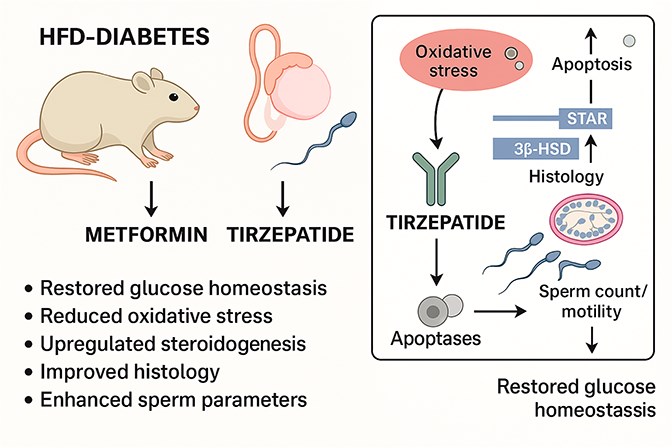
Ibrahim Albokhadaim evaluated GLP-2 in a male Wistar-rat model in which diabetes was induced with a high-fat diet and low-dose streptozotocin. The study included control, diabetic control, GLP-2, metformin, and pair-fed diabetic groups and assessed metabolic, hormonal, sperm, oxidative-stress, histological, and gene-expression endpoints over 8 weeks. The authors reported differences in glucose-related measurements, testosterone and gonadotropin concentrations, sperm parameters, oxidative-stress markers, Nrf2/Keap1-related signaling, steroidogenic gene expression, testicular histology, PCNA expression, and caspase-3-associated apoptosis in the GLP-2 group. The pair-fed design was used to examine whether selected findings could be distinguished from changes associated with food intake and body weight.[5
![Fig3]()
Fig3. Experimental model and selected metabolic, oxidative-stress, histological, and reproductive endpoints reported in the GLP-2 and comparator groups.[5]
Research Limitations
The studies summarized above were conducted primarily in cell systems and animal models with different disease conditions, species, exposure schedules, and endpoints. Findings from femoral-artery injury, angiotensin II-induced aneurysm, obesity-diabetes, ovariectomy, pancreatic-islet, and reproductive models are therefore specific to the experimental conditions in which they were generated and should not be treated as interchangeable or as evidence of clinical effects in humans.[1-5]
Cadena-Ullauri and colleagues also noted that reported associations between GLP-2 and gut-microbiota composition, microbial metabolites, intestinal-barrier measures, and inflammatory signaling remain difficult to separate from secondary changes related to body weight, caloric intake, gastric emptying, glycemic status, or diet. The current literature does not establish whether these microbiota-associated changes represent direct effects of GLP-2.[6]
COCER Peptides presents Tirzepatide solely for laboratory research and analytical use. It is not intended for human or veterinary use. The research described above summarizes findings reported in third-party publications and is not a statement of clinical efficacy, safety, diagnosis, treatment, prevention, or an instruction for use.