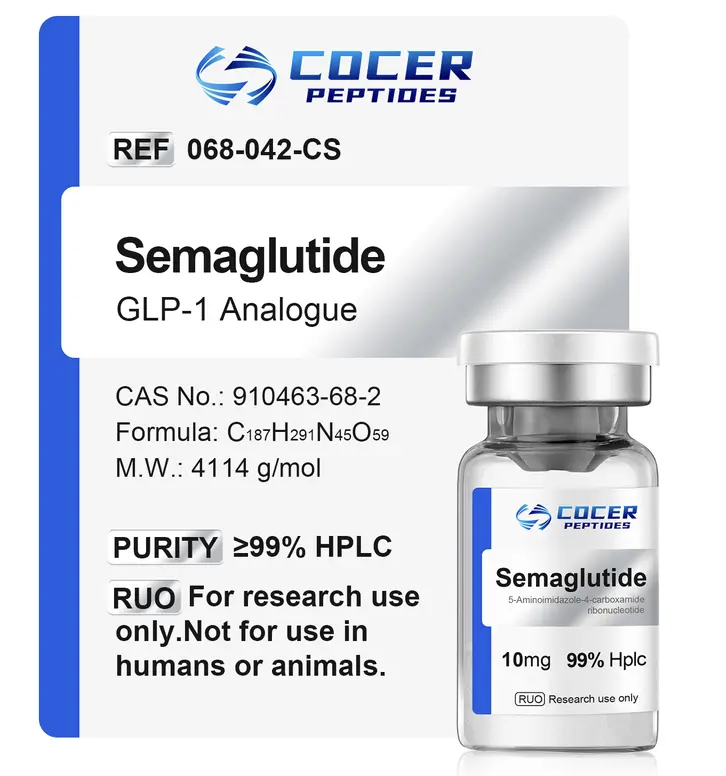
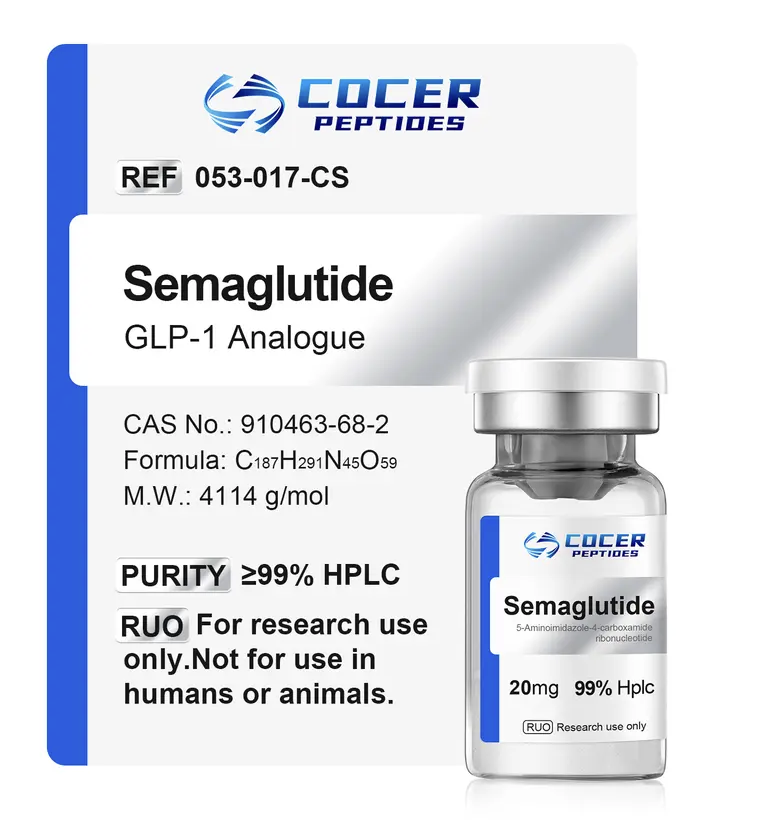
Imagine a medication that not only controls blood sugar but also aids in weight loss. Semaglutid is such a drug, transforming metabolism and weight management. It's a powerhouse in type 2 metabolism treatment, mimicking a natural hormone to regulate various bodily functions. In this post, you'll learn about semaglutide's mechanisms, uses, and benefits, providing insights into its role in modern medicine.

Introduction
Semaglutid is a synthetic glucagon-like peptide-1 (GLP-1) receptor agonist widely used to manage type 2 metabolism and obesity. By mimicking the natural GLP-1 hormone, semaglutide regulates multiple physiological processes, including insulin secretion, glucagon suppression, appetite control, and gastric emptying. Its combined actions make it a powerful tool for blood sugar management and weight reduction. In this article, we explore how semaglutide works, its clinical applications, and considerations for safe use.
What Is Semaglutid?
Semaglutid is a GLP-1 analog designed to enhance the body’s natural insulin response while reducing appetite. Unlike native GLP-1, it has structural modifications that prolong its half-life, allowing for once-weekly injections. Semaglutid is available under the brand names Ozempic for type 2 metabolism and Wegovy for chronic weight management. There is also an oral form, Rybelsus, which offers a convenient daily option.
Its unique structure allows semaglutide to remain active in the body longer, improving adherence and making glucose control more consistent. These features have helped it gain recognition as a leading treatment in metabolic medicine.
Annotation: Semaglutid is not a first-line treatment for type 1 metabolism or diabetic ketoacidosis and should be used under medical supervision.
Mechanism of Action
Semaglutid operates through several complementary mechanisms:
GLP-1 Receptor Activation
Semaglutid binds to GLP-1 receptors in the pancreas and brain, activating pathways that regulate blood sugar and appetite. This interaction is the foundation of its therapeutic effects.
Insulin Secretion Enhancement
Semaglutid stimulates pancreatic beta cells to release insulin in a glucose-dependent manner. This ensures that insulin is secreted when needed, reducing the risk of hypoglycemia.
Glucagon Suppression
The drug also inhibits glucagon release from pancreatic alpha cells, reducing the liver’s glucose output. This effect helps maintain stable blood sugar levels between meals and during fasting.
Appetite Regulation
By acting on brain centers, especially in the hypothalamus, semaglutide reduces hunger and lowers cravings for high-calorie foods. This effect contributes to sustained weight loss and healthier eating behaviors.
Delayed Gastric Emptying
Semaglutid slows the movement of food from the stomach to the intestines, prolonging fullness after meals. This effect further supports calorie reduction and weight management.
Tip: Patients may experience mild nausea initially as the digestive system adapts, which typically resolves over a few weeks.
Dosage and Administration
Injection Instructions
Semaglutid injections, such as Ozempic and Wegovy, are given once a week under the skin. Common injection sites include the stomach (abdomen), thigh, or upper arm. It’s important to rotate injection sites within the same area to avoid irritation or lumps. For example, if you injected in your left thigh this week, try the right thigh next time.
The injection can be given at any time of the day, with or without food. However, keep the day consistent each week to maintain steady medication levels. If you need to change the injection day, ensure at least two days (48 hours) pass between doses.
When preparing the injection, check the medicine to make sure it looks clear and colorless. Do not use it if it appears cloudy, discolored, or has particles. Always use a new needle for each injection and never share your injection pen with others, as this could spread infections.
Tablet Instructions
Rybelsus is the oral tablet form of semaglutide and is taken once daily. To get the best absorption, take it at least 30 minutes before your first food, drink, or other medications of the day. Use no more than 4 ounces (about 120 mL) of plain water to swallow the tablet. Do not crush, chew, or split the tablet; swallow it whole.
After taking Rybelsus, wait at least 30 minutes before eating, drinking, or taking other medications. This timing helps ensure the medicine is absorbed properly and works effectively.
Start with a low dose, usually 3 mg daily for 30 days, to reduce side effects. Then, increase to 7 mg daily. If needed for better blood sugar control, the dose can increase to 14 mg daily after another 30 days.
Missed Dose Information
If you miss a dose of semaglutide, take it as soon as you remember unless your next dose is near. For injections:
Ozempic: Take within 5 days of the missed dose. If more than 5 days have passed, skip it and take your next dose on schedule.
Wegovy: If the next dose is more than 2 days away, take the missed dose as soon as possible. If less than 2 days remain, skip it and continue your regular schedule. If you miss more than two doses in a row, contact your doctor, as you may need to restart at a lower dose.
For tablets (Rybelsus), skip the missed dose and take the next dose at the usual time. Do not double up doses.
Tip: To avoid missed doses, set weekly reminders for injections or daily alarms for tablets, and always follow your healthcare provider’s dosing schedule closely to maximize semaglutide’s benefits and minimize side effects.

Safety and Side Effects
Common side effects include nausea, vomiting, diarrhea, constipation, and abdominal discomfort, usually mild and transient. Serious but rare risks include pancreatitis, gallbladder issues, kidney injury from dehydration, and thyroid C-cell tumors in high-risk individuals.
Table: Common Side Effects and Management
Side Effect | Frequency | Management Tip |
Nausea | Common | Eat smaller, slower meals |
Vomiting | Less common | Reduce dose if persistent |
Diarrhea | Common | Hydrate, monitor electrolytes |
Pancreatitis | Rare | Stop medication, seek immediate care |
Tip: Patient education on side effect management improves adherence and treatment outcomes.
Precautions and Contraindications
Who Should Not Take Semaglutid
Semaglutid is not suitable for everyone. People with a personal or family history of medullary thyroid carcinoma (MTC) or those diagnosed with multiple endocrine neoplasia syndrome type 2 (MEN 2) should avoid semaglutide due to a potential risk of thyroid tumors. It is also contraindicated in patients with type 1 metabolism or those experiencing diabetic ketoacidosis, as semaglutide does not replace insulin in these conditions.
Patients with severe gastroparesis, a condition where the stomach empties too slowly, should not use semaglutide because it further slows gastric emptying, which may worsen symptoms. Additionally, those who have had bariatric surgery should use semaglutide cautiously, as it may increase gastrointestinal complications.
Pregnancy and Breastfeeding
Semaglutid is not recommended during pregnancy. Animal studies have shown potential risks to the fetus, and the weight loss effects of semaglutide could harm fetal development. Women planning to become pregnant should stop semaglutide at least two months before conception.
Breastfeeding while using semaglutide is also discouraged. There is limited data on whether the drug passes into breast milk, and the oral formulation contains an absorption enhancer (SNAC) whose effects on infants are unknown. Women should discuss alternatives with their healthcare provider if breastfeeding.
Drug Interactions
Semaglutid can slow gastric emptying, which may delay absorption of oral medications. Although studies show no significant impact on the efficacy of most drugs, caution is advised for medications with narrow therapeutic windows, such as warfarin or certain antiepileptics.
Combining semaglutide with other glucose-lowering drugs, especially insulin or sulfonylureas, increases the risk of hypoglycemia. Your doctor may need to adjust doses of these medications to reduce this risk.
Semaglutid should not be used with other GLP-1 receptor agonists or tirzepatide. Concurrent use can lead to increased side effects without added benefit.
Some medications may affect semaglutide’s effectiveness or side effect profile. For example, diuretics like furosemide may reduce its therapeutic effects, while semaglutide can increase levothyroxine blood levels. Always inform your healthcare provider about all the medications and supplements you take.
Tip: Before starting semaglutide, provide a thorough medical history and medication list to your healthcare provider to avoid contraindications and manage potential drug interactions effectively.
Conclusion
Semaglutid is a powerful tool for managing type 2 metabolism and obesity. It mimics the natural hormone GLP-1, improving blood sugar control and aiding weight loss. By stimulating insulin production, reducing sugar release from the liver, and decreasing appetite, semaglutide offers comprehensive benefits. Cocer Peptides™ provides semaglutide formulations that enhance patient outcomes with their long-acting effects and multi-target benefits. This innovative product is essential for individuals seeking effective metabolism and weight management solutions.
FAQ
Q: What is semaglutide?
A: Semaglutid is a medication that mimics the hormone GLP-1, helping regulate blood sugar and appetite, used for type 2 metabolism and obesity management.
Q: How does semaglutide aid in weight loss?
A: Semaglutid decreases appetite and slows digestion, making you feel full longer, which supports weight loss when combined with diet and exercise.
Q: Why is semaglutide beneficial for type 2 metabolism?
A: Semaglutid improves blood sugar control by stimulating insulin secretion and reducing glucagon release, lowering glucose levels without causing hypoglycemia.
Q: What are the costs associated with semaglutide?
A: The cost of semaglutide varies by brand, dosage, and insurance coverage. Consult your healthcare provider or pharmacist for specific pricing information.
Q: How does semaglutide compare to other GLP-1 receptor agonists?
A: Semaglutid is a long-acting GLP-1 receptor agonist, providing sustained effects with once-weekly injections or daily tablets, offering comprehensive benefits beyond blood sugar control.