Introduction
Feeling frustrated by stubborn blood sugar or weight issues? Tirzepatid offers a new dual-action approach. This therapy improves glucose control and supports weight loss through powerful hormonal pathways. In this article, you will learn how tirzepatide works in the body and why its mechanism matters.
What Is Tirzepatid and Why Understanding Its Mechanism Matters
A new class of dual-agonist medications
Tirzepatid represents a new generation of metabolic therapies. Unlike traditional medications that activate only the GLP-1 receptor, tirzepatide targets both GLP-1 and GIP receptors at the same time. This dual-agonist design gives it stronger effects on glucose control, appetite regulation, and metabolic efficiency. Because both pathways work together, tirzepatide can support blood sugar improvement and weight reduction more effectively than earlier treatments.
Why mechanism of action is central to safety and effectiveness
Understanding how tirzepatide works is essential for predicting clinical outcomes. Its mechanism directly influences insulin secretion, glucagon suppression, digestion speed, appetite signals, and fat metabolism. These actions also explain common side effects, such as nausea or slower digestion. When patients and clinicians understand the mechanism, they can optimize dosing, anticipate responses, and improve long-term treatment success.
How tirzepatide differs from older GLP-1 therapies
Older GLP-1 drugs focus on insulin release and delayed gastric emptying. Tirzepatid does all of that but also activates the GIP pathway, which further enhances insulin sensitivity, energy use, and fat metabolism. This added pathway helps break through metabolic plateaus and supports greater weight loss and glucose control. These combined effects make tirzepatide a more comprehensive option for managing Type 2 metabolism and obesity.
Notes: Clear education on tirzepatide’s dual mechanism helps reduce misuse, improves adherence, and supports better clinical decisions for long-term metabolic care.
The Core Mechanism: How Tirzepatid Works in the Body
Dual activation of GLP-1 and GIP receptors
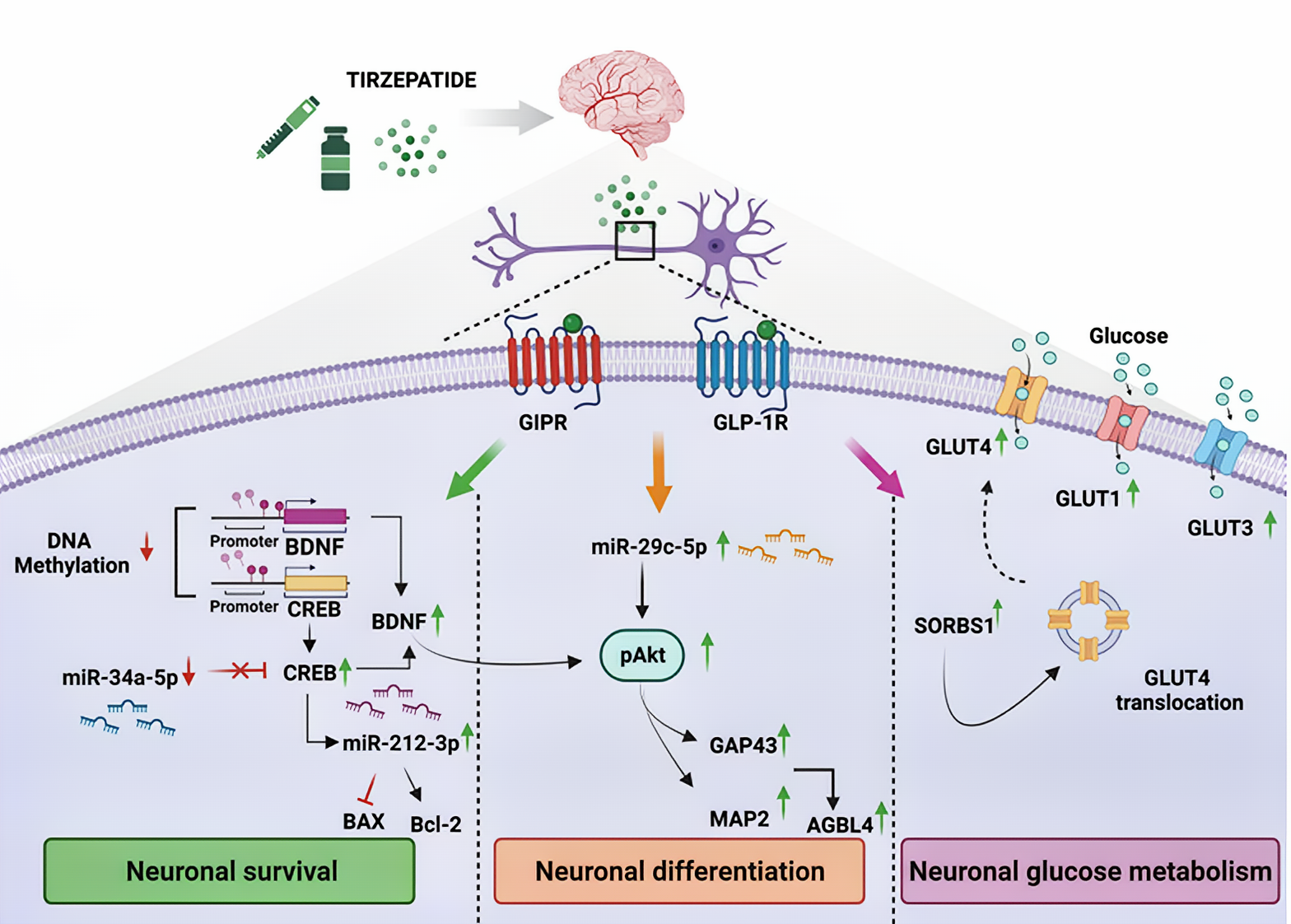
Tirzepatid activates both GLP-1 and GIP receptors, creating a coordinated metabolic response. GLP-1 improves glucose control and appetite signals, while GIP enhances insulin sensitivity and fat metabolism. Together, they produce stronger and more sustained effects than single-pathway therapies.
How tirzepatide increases insulin secretion
IThe drug increases insulin release only when blood glucose levels are high. This “glucose-dependent” effect lowers the risk of hypoglycemia and helps the body respond more efficiently after meals.
Suppression of glucagon
Tirzepatid reduces glucagon secretion, a hormone that raises blood sugar. When glucagon decreases, the liver releases less glucose into the bloodstream, improving both fasting and post-meal glucose control.
Slowing digestion and gastric emptying
The medication slows how quickly food moves from the stomach into the intestine. This delay prevents sharp spikes in blood sugar and helps people feel full for a longer time after eating.
Appetite and satiety signaling
By activating GLP-1 receptors in the brain, tirzepatide enhances fullness signals and reduces hunger. People naturally eat smaller portions without needing strict calorie control.
Boosting fat metabolism
GIP activation influences fat tissue, helping the body break down stored fat and use it for energy. This mechanism supports additional weight loss beyond appetite reduction and is a key advantage over GLP-1–only medications.
Improving insulin sensitivity
Tissues become more responsive to insulin, allowing glucose to move into cells more effectively. This improves overall metabolic function and reduces the strain on the pancreas.
Tips: Provide simple visual aids (arrows, flowcharts, hormone maps) when educating patients. These help explain complex hormone interactions more clearly.
The Incretin System: Why GLP-1 and GIP Together Change Outcomes
The role of natural incretin hormones
Incretins are hormones released by the gut after eating. Their job is to help the body manage glucose efficiently. GLP-1 increases insulin release, slows digestion, and sends fullness signals to the brain. GIP also supports insulin release and influences fat metabolism. When these hormones function well, the body maintains better glucose balance throughout the day.
Why combining GLP-1 and GIP matters
Using both incretin pathways at the same time creates a stronger metabolic response than activating only one. GLP-1 helps control appetite and digestion, while GIP enhances insulin sensitivity and energy use. Together, they improve blood sugar control, reduce hunger, and support weight loss more effectively. This synergy is the key reason tirzepatide shows such powerful metabolic results.
Advantages over single-pathway treatments
Traditional GLP-1 therapies rely on one hormone pathway, which can lead to slower progress or treatment plateaus. Adding GIP activation expands the metabolic impact, reduces resistance, and improves long-term outcomes. Dual-agonist action offers broader benefits for glucose control, weight management, and overall metabolic health.
How Tirzepatid Helps With Weight Loss Beyond Glucose Control
Appetite reduction and earlier satiety
Tirzepatid slows gastric emptying and strengthens satiety signals from GLP-1 activation. Because food stays in the stomach longer, people feel full sooner and eat less. This natural appetite reduction often leads to meaningful calorie deficits without forced restriction.
Altered reward and hunger signals
The medication influences brain regions that regulate cravings and food motivation. These areas respond differently to food cues, reducing the desire for high-calorie or highly rewarding foods. This shift makes healthier eating patterns easier to maintain.
Enhanced fat oxidation
GIP activation plays a major role in improving how the body uses stored fat. Tirzepatid increases fat breakdown and energy expenditure. This supports steady fat loss rather than only reducing appetite-driven intake, adding another layer to its weight-loss effectiveness.
Why results surpass typical GLP-1 drugs
GLP-1 medications focus on appetite and digestion alone. Tirzepatid adds GIP’s metabolic effects, creating a broader and more coordinated response. The dual-agonist action promotes deeper calorie reduction, improved fat metabolism, and stronger long-term weight outcomes—often exceeding results seen with single-pathway drugs.
Notes: Combining appetite control, metabolic regulation, and hormonal synergy helps explain tirzepatide’s high weight-loss percentages in clinical trials.
How Long Tirzepatid Works After Each Dose
Mechanism & Impact Table
Mechanism | Action | Result |
Once-weekly dosing | Steady incretin activation for seven days | Predictable glucose and appetite control |
Extended half-life | Slow clearance for prolonged receptor engagement | Stable hormonal effect throughout the week |
Stable hormonal signaling | Continuous regulation of insulin and appetite hormones | Improved long-term metabolic outcomes |
Step-by-Step Process Flowchart
1. Injection of tirzepatide: Administered once a week.
2. Incretin activation: GLP-1 and GIP receptors are engaged.
3. Blood glucose regulation: Steady insulin release and reduced glucagon.
4. Fat metabolism: Increased fat oxidation and energy expenditure.
5. Stable signaling: Hormonal effects last throughout the week.
6. Predictable outcomes: Improved blood sugar, reduced weight, better cardiometabolic health.
Tirzepatid vs Other Metabolism Treatments
Tirzepatid
● Dual-agonist action (GLP-1 + GIP)
● Once-weekly dosing
● Stable blood sugar control
● Improved fat metabolism
● Consistent weight loss
Other GLP-1 Therapies
● Single-pathway activation
● Daily or bi-weekly dosing
● Weight loss and glucose control, but more variability
● Limited fat metabolism impact
How Tirzepatid Interacts With the Body: Safety and Trade-offs
GI side effects linked to GLP-1 activation
Tirzepatid’s GLP-1 receptor activation can lead to gastrointestinal (GI) side effects such as nausea, diarrhea, and upset stomach, particularly in the early stages of treatment. These effects occur because the medication slows gastric emptying, which can initially cause discomfort as the body adjusts to the new pace of digestion. Most patients find that these side effects tend to decrease over time as their body becomes accustomed to tirzepatide. However, it’s important for patients to be aware and prepared to manage these symptoms.
Why slow dose escalation helps
To reduce GI discomfort, healthcare providers often start patients on a low dose of tirzepatide and gradually increase the dosage over time. This slow escalation allows the gut to adjust to the hormonal changes induced by tirzepatide, minimizing the risk of nausea and other GI issues. By increasing the dose gradually, patients can experience the therapeutic benefits of tirzepatide without overwhelming their digestive system.
Key risks: pancreatitis, gallbladder issues, thyroid concerns
While tirzepatide is generally well-tolerated, there are some key risks that require monitoring. Pancreatitis (inflammation of the pancreas), gallbladder problems, and thyroid concerns (including thyroid tumors) are potential side effects linked to tirzepatide use. Patients should be monitored for warning signs such as persistent stomach pain, nausea, or changes in thyroid function. Regular check-ups with healthcare providers help mitigate these risks, ensuring that any potential complications are caught early.
Hydration and digestion insights
Tirzepatid’s effect on digestion means that food stays in the stomach longer, slowing down gastric emptying. While this can improve blood sugar control and appetite regulation, it also means that patients may need to be more mindful of their hydration needs. Slower digestion can increase the risk of dehydration, especially if gastrointestinal side effects like diarrhea occur. Patients should be advised to drink plenty of fluids throughout the day and to watch for signs of dehydration, such as dry mouth, dizziness, or dark urine.
Notes: B2B clinics and healthcare providers should prioritize educating patients on the importance of hydration and monitoring early GI symptoms. Clear guidance on how to manage hydration and adjust diet can greatly improve patient comfort and adherence.
Who Tirzepatid Works Best For
People with insulin resistance
Tirzepatid is particularly beneficial for individuals with insulin resistance, a hallmark of Type 2 metabolism. By improving insulin sensitivity, tirzepatide helps the body utilize glucose more efficiently, reducing blood sugar levels and alleviating the strain on the pancreas. This makes tirzepatide an ideal option for patients struggling with insulin resistance who need a more effective way to manage their condition.
Patients with obesity
Obesity is another condition where tirzepatide shows strong benefits. Tirzepatid not only helps reduce appetite through its effects on GLP-1 but also enhances fat metabolism via the GIP pathway. By improving the body’s ability to burn fat and regulate appetite, tirzepatide supports significant weight loss. This makes it an excellent treatment for patients who are overweight or obese, particularly those who also have Type 2 metabolism and struggle to manage their weight.
Not suitable for Type 1 metabolism or severe GI disease
Tirzepatid is not recommended for individuals with Type 1 metabolism, as their bodies do not produce insulin in the same way as those with Type 2 metabolism. It also may not be suitable for patients with severe gastrointestinal (GI) diseases such as gastroparesis, as the drug’s effect on gastric emptying could exacerbate their symptoms. For these conditions, alternative treatments are more appropriate.
Pregnancy, surgery, and hormonal considerations
For patients who are pregnant or planning to become pregnant, tirzepatide should only be used if deemed absolutely necessary by a healthcare provider. The medication’s effects on fetal development are not well-studied, so it is generally not recommended during pregnancy. Similarly, if a patient is undergoing surgery or dealing with hormonal changes (such as menopause), providers may need to adjust the tirzepatide dosage or recommend an alternative treatment plan to ensure both the patient’s safety and the treatment’s effectiveness.
Conclusion
Tirzepatid works through dual-hormone actions that raise insulin, lower glucagon, slow digestion, and improve appetite control. It also boosts fat metabolism for stronger weight and glucose results. These combined effects support meaningful progress in metabolic health. As research grows, dual-agonist therapies may guide future care. Cocer Peptides™ offers advanced peptide solutions that help users access these benefits and understand how such therapies create lasting value.
FAQ
Q: How does tirzepatide work in the body to manage blood sugar?
A: Tirzepatid boosts insulin and reduces glucagon so the body controls glucose better.
Q: Why does tirzepatide help with weight loss?
A: Tirzepatid slows digestion and improves how the body signals fullness.
Q: How fast does tirzepatide work once it enters the body?
A: Tirzepatid begins affecting digestion and hormone signals soon after the dose.
Q: Is tirzepatide effective for people with insulin resistance?
A: Tirzepatid helps the body use insulin more efficiently in most cases.
Q: Why does tirzepatide work better than single-pathway drugs?
A: Tirzepatid acts on two hormone pathways that support stronger metabolic effects.