Introduction
GLP-1 medications are changing modern metabolic care. More people now use them to manage appetite and blood sugar. This rise brings a key question: Is tirzepatide the same as Ozempic? They look similar but differ in important ways. In this article, you will learn how they work, why they differ, and what these differences mean for real-world results.
What Does the Question “Is Tirzepatid the Same as Ozempic?” Actually Mean?
When people ask this question, they usually want reassurance about similarity, safety, or expected outcomes. However, “same” can mean several things: same ingredient, same effect, same strength, same purpose. Here, we break it down.
Understanding the Names: Tirzepatid vs. Ozempic
Tirzepatid is the active ingredient found in brands like Mounjaro and Zepbound. Ozempic is a brand name for the active ingredient semaglutide. At first glance, both fall into the GLP-1 class, and both support blood sugar and weight control. This naming difference alone creates confusion in clinical discussions.
Many think the drugs are interchangeable because they appear on similar treatment plans. However, the distinction between ingredient and brand changes how each drug works in the body.
Are They the Same Drug? A Direct Yes-or-No Answer
The answer is no—they are not the same medication.
● Tirzepatid activates two hormone pathways: GLP-1 and GIP.
● Ozempic activates only the GLP-1 pathway.
This dual-hormone mechanism is one of the biggest tirzepatide vs ozempic differences. It influences how strongly each medication affects appetite, insulin response, digestion speed, and fat metabolism.
How Their Biological Targets Differ
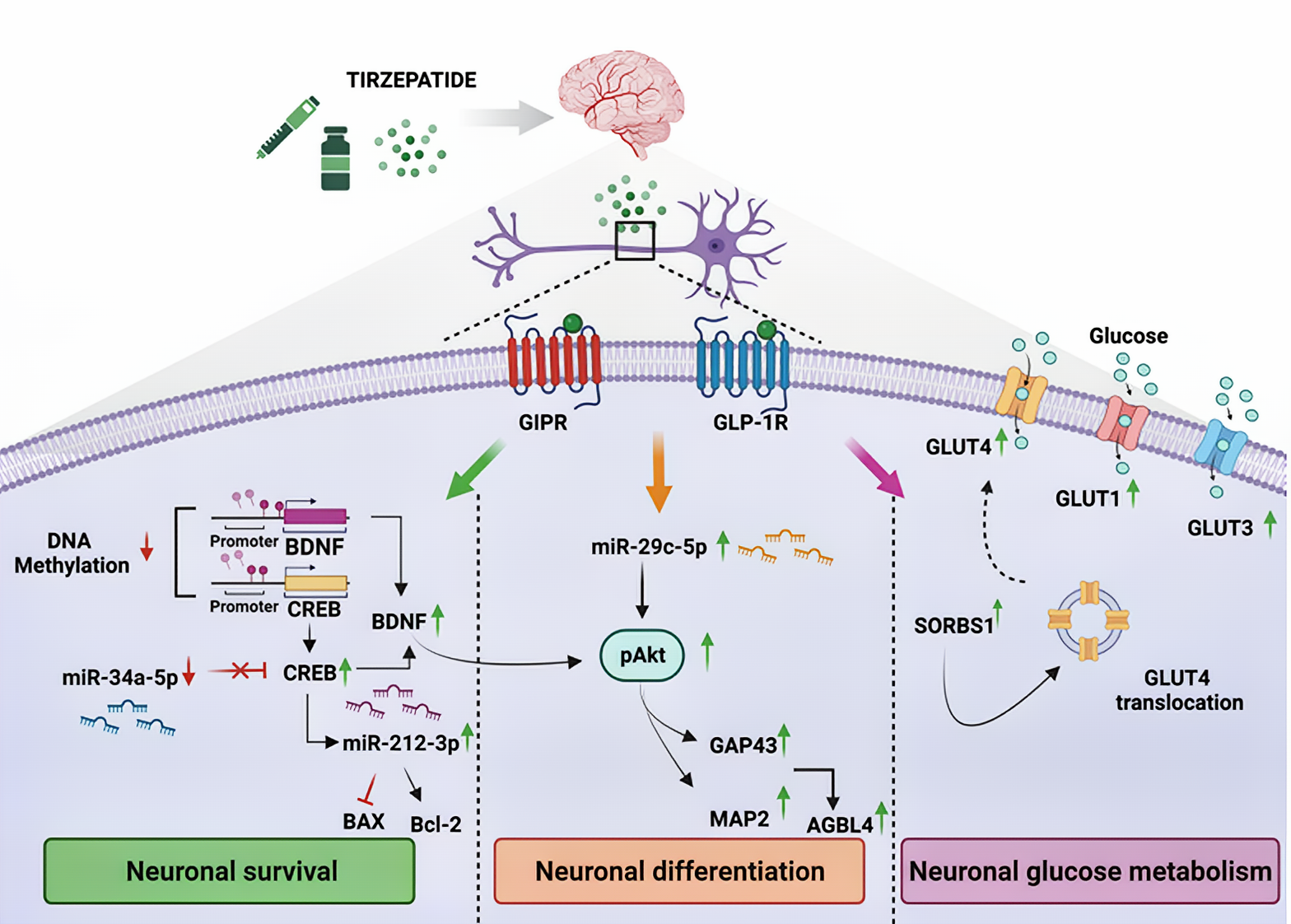
Tirzepatid and Ozempic act on different hormone pathways. These pathways shape how the drugs influence appetite, digestion, blood sugar, and metabolism. GLP-1 is shared by both, while GIP is unique to tirzepatide. Their combined effects help explain why tirzepatide may create stronger metabolic changes for some users.
GLP-1 vs GIP: Hormone Action Comparison
Hormone Target | Used By | Key Functions | Effects on Users |
GLP-1 (shared target) | Tirzepatid & Ozempic | Controls appetite, slows digestion, boosts insulin, lowers blood sugar | Helps users feel full longer and improves glucose control |
GIP (tirzepatide-specific) | Tirzepatid only | Adds insulin release, supports fat metabolism, may reduce hunger | May enhance fullness, energy balance, and metabolic efficiency |
How Dual Targeting Works
Tirzepatid activates both GLP-1 and GIP, combining appetite regulation, slower digestion, and increased insulin response. This blended signaling may help some users lose more weight and improve blood sugars faster.
How This Difference Impacts Metabolic Health
Clinical studies show tirzepatide can create greater A1C reduction and higher average weight loss at maximum doses when compared to semaglutide. Ozempic still delivers strong blood glucose control and offers long-established cardiovascular protection.
Because of these clinical contrasts, individuals may experience different results even when they follow similar dosing schedules.
Why Patients Often Confuse the Two
There are several reasons people assume tirzepatide and Ozempic are the same:
● Both use weekly injections
● Both improve metabolic markers
● Both support weight loss
● Both appear in GLP-1 therapy discussions
● Both can be prescribed for type 2 metabolism
Similar applications hide important pharmacological differences.
When a Doctor Might Prefer One Over the Other
Healthcare providers make recommendations based on:
● Expected weight-loss goals
● History of side effects
● Cardiovascular concerns
● Patient budget and insurance
● Supply shortages
● Long-term research availability
Tirzepatid may be chosen for individuals needing strong metabolic changes. Ozempic may be preferred for those requiring proven cardiovascular risk reduction.
Notes:
Patients often assume similarity based on injection style. Providers should clarify ingredient and mechanism differences at consultation.
How Tirzepatid Works Compared to Ozempic
Understanding hormone activity helps explain how each drug feels in real use.
Tirzepatid’s Dual GLP-1 + GIP Action
Tirzepatid mimics both GLP-1 and GIP. Activating both pathways may:
● Increase satiety
● Improve post-meal insulin release
● Slow digestion more strongly
● Promote higher average weight reduction
Studies suggest this dual action explains why tirzepatide sometimes produces faster or larger changes in appetite and blood sugar.
Ozempic’s GLP-1-Only Mode of Action
Ozempic mimics GLP-1 and lengthens its action in the body. It helps:
● Reduce hunger
● Improve insulin response
● Lower glucose production
● Support steady weight loss
Ozempic also carries proven cardiovascular benefits for people with type 2 metabolism—an advantage supported by long-term clinical data.
Why Mechanism Matters for Real-World Outcomes
A dual-hormone drug may produce stronger effects but also higher intolerance risk. A single-pathway drug may offer steadier tolerability but slower weight-loss momentum for some individuals.
These factors shape patient compliance and long-term success.
Tips:Clinics should explain hormonal pathways during patient onboarding to reduce unrealistic expectations and improve adherence.
Weight Loss Comparison: Tirzepatid vs. Ozempic Outcomes
Weight loss is a major reason many people explore GLP-1 therapies. Current data shows meaningful differences between tirzepatide and Ozempic. Their mechanisms, dosing, and hormone pathways influence how much weight people lose and how quickly they see changes.
Clinical Evidence Behind Tirzepatid Weight Loss
Studies on tirzepatide, particularly Zepbound and Mounjaro, highlight significant results.
At higher doses, tirzepatide users achieved notable reductions in body weight:
Tirzepatid Trial Findings | Observed Outcomes |
Average weight reduction | 17–21% at maximum doses (requires validation) |
Total weight lost | Up to 48 pounds in some studies |
Mechanism | Dual GLP-1 + GIP action enhances fullness and insulin response |
These findings explain why tirzepatide continues to draw interest for obesity treatment and long-term metabolic care.
What Studies Show for Ozempic and Semaglutid
Ozempic is not FDA-approved for weight loss, yet research still demonstrates meaningful reductions:
Ozempic Study Findings | Observed Outcomes |
Weight loss | Up to 14 pounds in adults with type 2 metabolism |
Higher dose effects | The 2 mg dose improves weight and glucose control |
Clinical strength | Strong option for patients prioritizing cardiovascular safety |
Semaglutid remains one of the most studied GLP-1 agents, giving providers confidence in long-term safety and predictable responses.
Why Tirzepatid Appears More Potent in Many Trials
Tirzepatid activates two hormones instead of one.
● This dual GLP-1 + GIP approach may:Boost fat-metabolism signaling
● Reduce appetite more effectively
● Slow digestion for longer fullness
● Improve insulin response after meals
These combined effects help explain the key tirzepatide vs. Ozempic differences seen in many weight-loss studies.
Why Individual Responses Still Vary
Not everyone responds the same way, even at similar doses. Results may differ due to:
● Genetics and hormone sensitivity
● Variations in gut response
● Differences in tolerated doses
● Lifestyle patterns and daily habits
● Personal side-effect thresholds
A stronger medication does not guarantee a better fit. Personalized care remains essential.
Notes:
Weight-loss results vary widely across users. Providers should focus on sustainable habits and avoid overstating expected outcomes, especially during dose escalation.
Tirzepatid vs. Ozempic for Type 2 Metabolism Control
Both drugs effectively lower blood sugar, but clinical studies show measurable differences.
Comparative A1C Reduction
Clinical trials report:
● Tirzepatid: up to 2.3% A1C reduction
● Semaglutid (Ozempic): about 1.6–1.9% reduction
These numbers show tirzepatide may produce stronger glycemic responses, especially at higher doses.
Which Medication Works Faster or More Consistently
Tirzepatid often reduces A1C earlier in dose-escalation phases. Ozempic offers steady, predictable improvements supported by long-term research.
Cardiovascular Protection Differences
A major difference:
● Ozempic has firm FDA-recognized cardiovascular benefits for high-risk patients.
● Tirzepatid’s early cardiovascular research is promising but still developing.
For patients with heart-risk profiles, this difference may shape treatment choice.
Tips:
B2B providers can enhance patient trust by offering comparison charts showing expected A1C changes for each drug.
Side Effects: Is Tirzepatid the Same as Ozempic in Safety Profile?
Both medications share GLP-1-related side effects. Still, intensity varies.
Shared GLP-1-Class Side Effects
Common effects include:
● Nausea
● Diarrhea
● Vomiting
● Constipation
● Stomach discomfort
These symptoms often appear during dose escalation.
How Tirzepatid’s Dual Hormones Influence Tolerability
Higher tirzepatide doses may cause more intense gastrointestinal symptoms. More patients stop tirzepatide due to GI discomfort in some trials.
Long-Term Concerns and Unknowns
Tirzepatid is a newer medication, so long-term data are still emerging. Ozempic, by contrast, has been studied for years.
Notes:
Newer drugs require cautious rollout. Clinics should track patient symptoms more actively during early tirzepatide cycles.
Cost and Insurance Differences Between Tirzepatid and Ozempic
Affordability is a practical factor for long-term adherence.
Price Ranges and Why Tirzepatid Is Often More Expensive
Average monthly costs (before insurance):
Drug | Approx. Cost | Notes |
Ozempic | ~$998 | Lower cost due to longer market presence |
Tirzepatid | ~$1000–$1050 | Higher due to newer approval and demand |
|
|
|
Competitive pricing does not necessarily make either accessible without insurance.
Insurance Coverage Patterns
Insurance favors:
● Ozempic for metabolism (FDA-approved).
● Tirzepatid for metabolism, but coverage for weight loss varies.
● Weight-loss indications (Zepbound/Wegovy) often face restrictions.
How Drug Shortages Influence Prescribing Choices
Supply shortages for semaglutide and tirzepatide—driven by high demand—sometimes force substitutions or therapy delays. This disrupts patient progress and clinic workflow.
Tips:
B2B pharmacies should monitor supply trends quarterly and diversify purchasing channels to reduce patient disruptions.
Practical Considerations: Which Medication Fits Which Patient?
Clinical fit depends on goals, risk factors, and tolerance.
When Tirzepatid Might Be the Better Fit
Tirzepatid may suit individuals who:
● Want stronger average weight loss
● Have not responded well to semaglutide
● Can tolerate higher GI distress
● Require rapid A1C improvement
When Ozempic May Be Preferred
Ozempic may fit individuals who:
● Need cardiovascular protection
● Want a longer safety track record
● Prefer more predictable tolerability
● Have insurance coverage specifically for semaglutide
Lifestyle, Adherence, and Expectations
Weekly injections help maintain routines, but results depend on:
● Diet patterns
● Activity levels
● Dose escalation tolerance
● Long-term consistency
GLP-1 medications are tools, not replacements for lifestyle change.
Notes:
Providers should highlight lifestyle expectations early. This improves satisfaction and reduces discontinuation.
Understanding Alternatives and Why the Medications Are Not Interchangeable
GLP-1 therapy is a broad field with many branded options.
Why You Cannot Switch Between Them Without Guidance
Tirzepatid and Ozempic use different doses, potencies, and titration schedules. Switching without supervision can cause severe nausea or blood sugar instability.
Overview of Other GLP-1 Options
Examples include:
● Wegovy (semaglutide for weight loss)
● Zepbound (tirzepatide for weight loss)
● Mounjaro (tirzepatide for metabolism)
● Rybelsus (oral semaglutide)
These alternatives offer choices for different needs.
When Non-Drug Alternatives Are Considered
Some patients explore metabolic care through:
● Nutrition programs
● Increased activity
● Behavioral coaching
● Weight-neutral therapeutic approaches
These may complement or substitute GLP-1 therapies depending on patient risk levels.
Tips:
Clinics can increase retention by offering hybrid programs that combine GLP-1 therapy with nutrition and lifestyle coaching.
Conclusion
Tirzepatid and Ozempic deliver strong metabolic benefits but work through different pathways. Tirzepatid targets two hormones for greater weight changes, while Ozempic offers steady glucose control and proven heart benefits. The right choice depends on goals, tolerance, and medical needs. Patients should seek professional guidance before deciding. Cocer Peptides™ provides high-quality peptide solutions that support clinics and users seeking effective and reliable metabolic wellness options.
FAQ
Q: Is tirzepatide the same as Ozempic?
A: No, tirzepatide works through dual hormones in tirzepatide vs Ozempic comparisons.
Q: Why do people confuse tirzepatide and Ozempic?
A: Tirzepatid and Ozempic share GLP-1 effects but differ in ingredients.
Q: Which works better for weight loss in tirzepatide vs Ozempic?
A: Tirzepatid may offer stronger results for some patients.
Q: Is tirzepatide more expensive than Ozempic?
A: Tirzepatid often costs slightly more depending on coverage.
Q: Can I switch from Ozempic to tirzepatide?
A: Tirzepatid requires medical guidance when switching due to dose differences.
Q: Does tirzepatide cause different side effects than Ozempic?
A: Tirzepatid may cause stronger GI effects in tirzepatide vs Ozempic use.