Introduction
Semaglutid is a game-changer in managing type 2 metabolism and supporting weight loss. However, dosing it correctly can be tricky, especially when converting from units to milligrams. In this article, you will learn how to accurately convert 40 units of semaglutide into milligrams, depending on its concentration. Proper dosing is crucial for achieving optimal results and avoiding side effects.
Understanding Semaglutid and Its Administration
What is Semaglutid?
Semaglutid is a GLP-1 receptor agonist, a class of drugs designed to regulate blood sugar levels and suppress appetite. It is commonly prescribed to individuals with type 2 metabolism and those struggling with obesity. By mimicking the natural GLP-1 hormone, semaglutide enhances insulin secretion in response to food, effectively lowering blood sugar levels. It also slows gastric emptying, which contributes to weight loss by promoting a feeling of fullness.
Semaglutid is a powerful tool for managing metabolism and weight loss, offering dual benefits. It helps improve blood sugar control while aiding in appetite suppression, making it easier for individuals to stick to a healthy, calorie-controlled diet.
The Role of Semaglutid in Weight Loss and Metabolism
Semaglutid's primary functions include controlling blood sugar and promoting weight loss. As an appetite suppressant, it reduces hunger and helps people make healthier food choices, leading to better control of their weight. By lowering HbA1c levels, semaglutide improves long-term blood sugar control, a key factor in managing metabolism.
In addition to these benefits, semaglutide offers cardiovascular benefits, which are essential for individuals with metabolism who are at an increased risk of heart disease. Its ability to lower blood sugar and assist with weight loss makes it a comprehensive solution for managing both type 2 metabolism and obesity.
Semaglutid Dosage Forms and Concentrations
Semaglutid is available in different dosage forms, most commonly in pre-filled pens that are self-administered via subcutaneous injection. The dosage concentration and frequency of injection can vary depending on the patient's needs and healthcare provider's guidance. Below is a summary of common semaglutide dosages:
Pen Concentration | Dosage per Injection | Units per mL | Recommended Frequency |
2 mg/mL | 0.25 mg - 2 mg | 2 mg/mL | Weekly |
4 mg/mL | 0.5 mg - 2 mg | 4 mg/mL | Weekly |
The 2 mg/mL concentration is often used for individuals starting treatment, with gradual increases in dosage to minimize side effects. For higher doses, such as 2 mg/mL, semaglutide is administered in weekly doses.
Semaglutid is typically titrated, meaning that the dose is gradually increased over time to allow the body to adjust and reduce the risk of gastrointestinal side effects, such as nausea or diarrhea.
Different Pen Concentrations: 2 mg/mL vs 4 mg/mL
Semaglutid is available in two primary concentrations: 2 mg/mL and 4 mg/mL. The concentration of the pen determines the amount of active ingredient delivered per unit, making it essential to know which concentration you are using to ensure accurate dosing.
Pen Concentration and Dosage
● 2 mg/mL concentration delivers 1 mg of semaglutide in 40 units.
● 4 mg/mL concentration delivers 2 mg of semaglutide in 40 units.
To better understand the difference in dosing, here's a breakdown of the amount of semaglutide delivered by each concentration:
Pen Concentration | Units per 1 mL | Semaglutid Delivered per 40 Units | Semaglutid per 10 Units |
2 mg/mL | 2 mg/mL | 1 mg | 0.25 mg |
4 mg/mL | 4 mg/mL | 2 mg | 0.5 mg |
This table highlights how much semaglutide is administered with each dose, depending on the concentration. For example, with a 2 mg/mL pen, 10 units delivers 0.25 mg of semaglutide, while the 4 mg/mL pen delivers 0.5 mg per 10 units.
How Semaglutid is Measured in Units
Semaglutid is prescribed and measured in units, which are a fraction of the total milligram dose. For example:
● A 2 mg/mL pen delivers 0.25 mg per 10 units.
● A 4 mg/mL pen delivers 0.5 mg per 10 units.
The units system makes it easier to adjust the dosage based on the specific needs of the patient. It is important to understand this conversion to ensure that you are administering the correct amount of the medication.
Converting Units to Milligrams for Accurate Dosing
How to Convert Semaglutid Units to Milligrams
To convert 40 units of semaglutide into milligrams, the concentration of the medication must be considered. Here's how the conversion works:
● For a 2 mg/mL pen: 40 units = 1 mg of semaglutide.
● For a 4 mg/mL pen: 40 units = 2 mg of semaglutide.
This conversion is crucial for ensuring that patients receive the correct amount of medication based on the prescribed pen concentration.
Differences Between 2 mg/mL and 4 mg/mL Concentrations
The conversion for 40 units of semaglutide varies depending on the pen concentration.
● At 2 mg/mL, 40 units equal 1 mg of semaglutide.
● At 4 mg/mL, 40 units equal 2 mg of semaglutide.
Understanding the difference is important to avoid overdosing or underdosing, both of which could lead to side effects or reduced efficacy.
Why Accurate Conversion is Critical
Accurate dosing is critical to the medication's effectiveness and minimizing side effects. Incorrect doses could lead to suboptimal treatment or adverse effects, such as nausea, gastrointestinal discomfort, or reduced blood sugar control. Always verify the concentration of your pen and consult your healthcare provider if you're unsure.
How to Administer Semaglutid for Effective Results
Following Your Prescribed Dosage Schedule
Semaglutid is typically administered once a week, with the dosage gradually increasing over time. The initial dose is usually low to help your body adjust to the medication and minimize potential side effects. As treatment progresses, the dose is gradually titrated (increased) based on the patient’s tolerance and response to the medication.
By following the prescribed schedule, patients can reduce the risk of discomfort, such as nausea or gastrointestinal issues, which are common when starting treatment. This gradual adjustment allows the body to become accustomed to the medication, promoting better long-term results and ensuring the medication’s effectiveness.
Week | Dose | Units per Week |
Week 1-4 | 0.25 mg | 10 units |
Week 5-8 | 0.5 mg | 20 units |
Week 9-12 | 1 mg | 40 units |
This titration schedule is designed to be flexible and tailored to your individual needs, ensuring you receive the optimal dose for your condition.
Adjusting Dosages Based on Tolerability
Dosage adjustments should always be made based on how your body responds to semaglutide. Some individuals may experience mild side effects, such as nausea, diarrhea, or headaches. If these side effects become severe or intolerable, your healthcare provider may recommend reducing the dosage or slowing the titration process.
It’s crucial to communicate any changes you experience during treatment. If you notice side effects or other symptoms, contact your healthcare provider to discuss adjustments to your dosage. This open communication ensures that your treatment plan is customized to suit your needs, minimizing discomfort while optimizing the benefits of semaglutide.
By working closely with your healthcare provider, you can ensure that your semaglutide dosage is adjusted correctly and safely, providing you with the best possible results in managing metabolism and supporting weight loss.
Common Dosage Questions and Concerns
“How Many MG is 40 Units of Semaglutid?”
“How Many MG is 40 Units of Semaglutid?”
The conversion from units to milligrams depends on the concentration of the semaglutide pen. For a 2 mg/mL pen, 40 units equals 1 mg of semaglutide. For a 4 mg/mL pen, 40 units equals 2 mg of semaglutide. Always check the concentration on your pen to ensure you’re administering the correct dose. Accurate dosing is critical for effective treatment, so make sure to confirm the concentration before injecting.
“What If I Miss a Dose?”
If you miss a dose of semaglutide, it’s important to follow the instructions provided by your healthcare provider. In most cases, you can administer the missed dose within a certain time frame. However, if the time is too close to your next scheduled dose, your healthcare provider may advise skipping the missed dose. Never double up on doses to make up for a missed one. Always consult your provider to avoid any potential issues.
“Can I Adjust My Dosage on My Own?”
Dosage adjustments should never be made without consulting your healthcare provider. While it may be tempting to adjust your semaglutide dosage if you feel it's not working or if side effects occur, doing so without professional guidance can lead to improper treatment, decreased effectiveness, or increased side effects. Always work with your provider to find the right dosage for your needs. This ensures you receive the full benefit of semaglutide while minimizing potential risks.
Side Effects and How to Manage Them
Common Side Effects of Semaglutid
Like many medications, semaglutide can cause side effects, especially when first starting treatment. Some of the most common side effects include nausea, diarrhea, and headache. These symptoms are often temporary and tend to subside as your body adjusts to the medication. However, it’s important to monitor these effects and consult your healthcare provider if they persist or become severe.
In addition, some patients may experience mild gastrointestinal discomfort, such as bloating or constipation. These side effects typically improve with continued use, but you should still notify your doctor if they cause significant discomfort.
Managing Side Effects
To minimize side effects and ensure a smoother treatment experience, it's important to start with a lower dose and gradually increase it. This titration approach allows your body to adjust to the medication slowly, reducing the chances of experiencing severe side effects.
● Staying hydrated is key to managing gastrointestinal side effects, such as nausea or diarrhea. Drinking plenty of fluids can help your body tolerate the medication better.
● Adjusting your diet can also play a role in alleviating discomfort. Eating smaller, more frequent meals can reduce nausea and help with gastric emptying.
● Taking anti-nausea medication as prescribed by your healthcare provider can provide additional relief, especially if nausea is a persistent issue.
By following these tips and communicating any concerns with your healthcare provider, you can better manage semaglutide’s side effects and continue with your treatment plan for metabolism and weight loss effectively.
Conclusion
Understanding the correct dosage of semaglutide is crucial for effective treatment. A 2 mg/mL pen delivers 1 mg in 40 units, while a 4 mg/mL pen delivers 2 mg. Proper dosing ensures the medication's efficacy and reduces side effects. Always follow your healthcare provider’s instructions for dosage adjustments, as everyone’s response to semaglutide may differ.
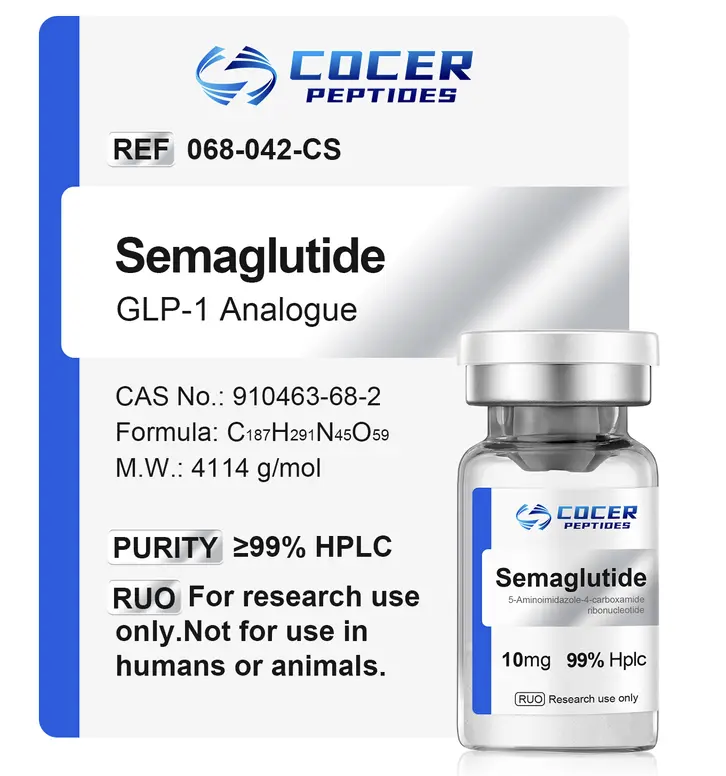
For personalized dosage advice, consult your healthcare provider.Cocer Peptides™ provides high-quality semaglutide products, ensuring safe and effective treatment for weight loss and metabolism management.
FAQ
Q: How many milligrams are in 40 units of semaglutide?
A: For a 2 mg/mL pen, 40 units of semaglutide equals 1 mg. For a 4 mg/mL pen, 40 units equals 2 mg.
Q: What is the semaglutide dosage guide for accurate dosing?
A: The semaglutide dosage guide helps patients follow prescribed titration schedules, adjusting dosages gradually to minimize side effects and achieve effective treatment.
Q: Why is accurate semaglutide dosing important?
A: Proper dosing ensures the medication's effectiveness and reduces the risk of side effects, making it essential for successful metabolism and weight loss management.
Q: Can I adjust my semaglutide dosage on my own?
A: No, you should always consult your healthcare provider before adjusting your semaglutide dosage to ensure proper treatment and avoid complications.
Q: How much does semaglutide cost?
A: Semaglutid's cost varies depending on the dosage and your insurance coverage, but it typically ranges between $300-$400 per month.