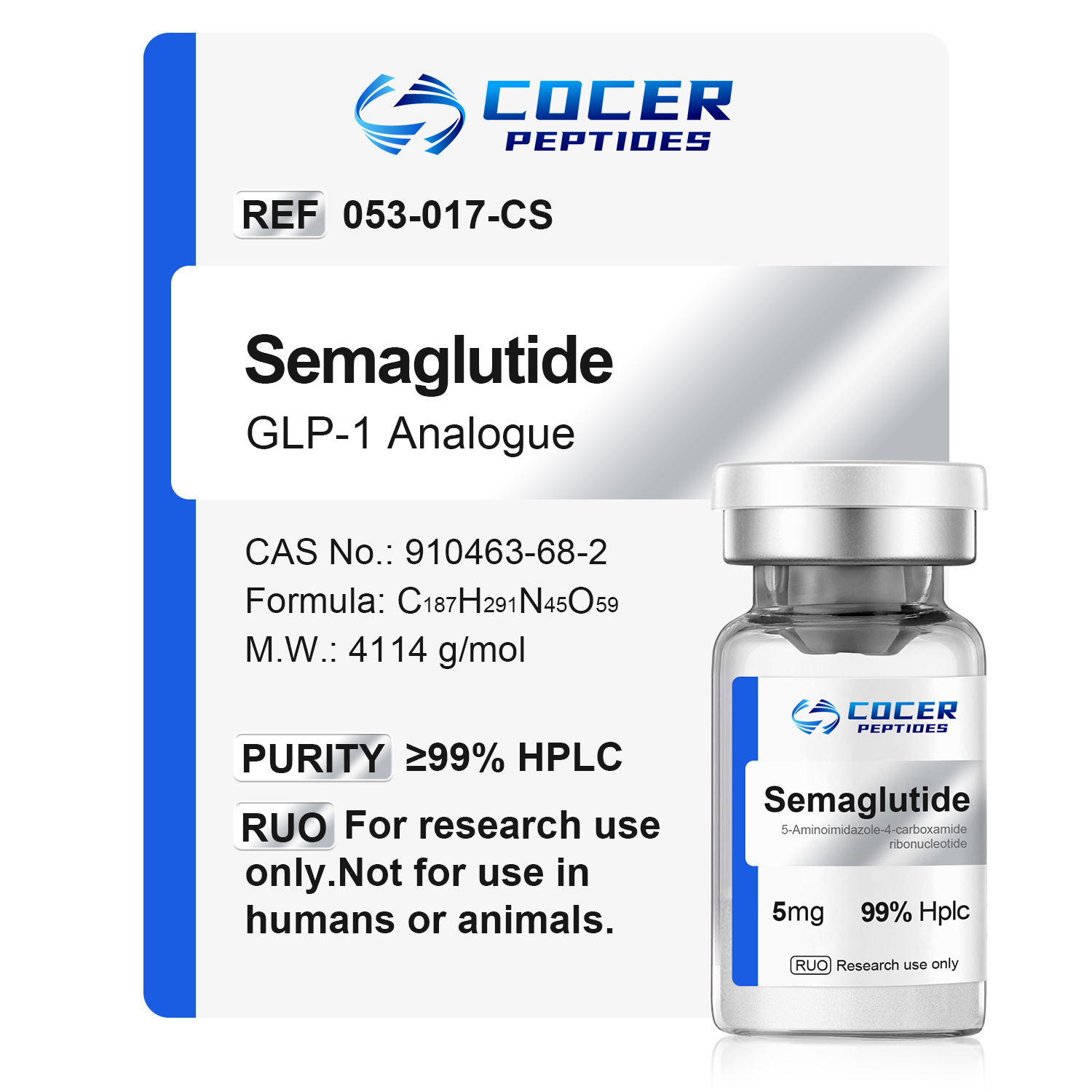
Introduce
Semaglutid is a popular medication for managing type 2 metabolism and promoting weight loss. It works by mimicking the natural GLP-1 hormone to regulate blood sugar and reduce appetite. FDA-approved versions, like Ozempic, Wegovy, and Rybelsus, have proven effective for many patients.
However, compounded semaglutide offers a customized solution for individuals whose needs aren’t met by standard forms. In this article, we will explore what compounded semaglutide is, why patients may choose it, and the associated risks and benefits.
What is Compounded Semaglutid?
Definition and Composition
Compounded semaglutide is a personalized medication created by compounding pharmacies rather than pharmaceutical companies. While the active ingredient, semaglutide, remains the same as in commercial formulations, compounded versions are customized to meet the specific needs of individual patients. These adjustments may include:
● Dosage Modifications: Tailoring the dose to meet the patient’s therapeutic requirements.
● Altered Administration Forms: Preparing alternatives like liquid forms or non-injection methods (e.g., sublingual or nasal spray).
● Exclusion of Allergens: Removing certain inactive ingredients that may cause allergies or sensitivities in some patients.
Unlike commercial semaglutide products like Ozempic, Wegovy, or Rybelsus, compounded semaglutide is not FDA-approved. This means it has not undergone the same rigorous clinical testing for safety, effectiveness, and quality that FDA-approved medications must go through. Consequently, compounded versions may not meet the same standards for consistency and regulatory oversight.
How Compounding Works
The compounding process involves a licensed pharmacy altering or combining ingredients to create a formulation that suits the patient’s specific needs. These customized versions of semaglutide can take several forms, including:
Adjusting the Dosage
Compounding allows the pharmacy to create semaglutide in doses that are not available commercially, making it ideal for patients who need more or less than what is provided in standard doses.
Non-Injection Forms
For patients who are uncomfortable with injections or unable to swallow pills, compounded semaglutide can be formulated into liquids, sublingual tablets, or nasal sprays. These alternative forms can provide patients with more convenient and accessible treatment options.
Customizing Ingredients
Some patients may be sensitive to certain inactive ingredients (e.g., preservatives, stabilizers, or coloring agents) found in commercial semaglutide. Compounding allows pharmacies to remove or replace these ingredients, making the medication safer for sensitive individuals.
However, because compounded medications are not regulated by the FDA in the same way as commercial products, there are concerns about the consistency and safety of the compounded semaglutide, particularly regarding potential contamination, incorrect dosages, or the use of unapproved ingredients. Therefore, it’s essential to obtain compounded semaglutide from reputable, licensed pharmacies that adhere to strict safety protocols.
Formulation | Description |
Oral Solution | For patients who cannot tolerate injections |
Sublingual | For patients who prefer non-injection forms |
Nasal Spray | Alternative to injection or oral formulations |
Why Choose Compounded Semaglutid?
Compounded semaglutide may be prescribed for several reasons:
● Unavailability: When commercial semaglutide is in short supply.
● Customization: When patients require specific doses or formulations that are not available in commercial products.
● Allergy Management: For patients who are allergic to inactive ingredients in commercial versions.
● Non-Injection Forms: For patients who prefer not to inject the medication.
Why Choose Compounded Semaglutid Over FDA-Approved Options?
Customization of Dosages and Forms
One of the primary benefits of compounded semaglutide is its customization to meet specific patient needs. Unlike FDA-approved semaglutide, which comes in standard dosages and delivery methods (typically injections or oral tablets), compounded semaglutide can be tailored in the following ways:
● Personalized Dosages: Some patients may require doses that are higher or lower than those available in commercial versions. Compounding allows for these adjustments to ensure the right therapeutic dose for each individual.
● Alternative Forms of Administration: While semaglutide is typically injected or taken orally, compounded versions can be made into different forms, such as sublingual tablets, nasal sprays, or even liquid solutions. These alternatives can be particularly beneficial for patients who have difficulties with injections or swallowing pills, offering more flexibility in administration.
Addressing Drug Shortages
In 2023, global shortages of semaglutide occurred, particularly affecting well-known brands like Ozempic and Wegovy. These shortages led many patients to look for alternative treatments. Compounded semaglutide became a solution during these challenging times for several reasons:
● Large-Scale Production: When FDA-approved semaglutide is in short supply, compounding pharmacies are allowed to produce larger batches of semaglutide to meet patient demand, ensuring continuity in treatment.
● Availability During Shortages: Compounding pharmacies play a crucial role in filling the gap during periods when commercial versions of semaglutide are unavailable, providing patients with an alternative that helps them manage their health conditions without disruption.
Reason for Choosing Compounded Semaglutid | Examples |
Drug Shortages | Shortage of Ozempic or Wegovy |
Custom Dosage | Higher or lower doses than available commercially |
Allergy Concerns | Exclusion of preservatives or coloring agents |
Managing Allergies and Sensitivities
Patients who are allergic to inactive ingredients, such as preservatives, dyes, or stabilizers used in commercial semaglutide products, can opt for compounded versions. Pharmacies can tailor these formulations to avoid allergens, providing a safer option for patients with sensitivities.
Safety Concerns with Compounded Semaglutid
Lack of FDA Approval
One of the primary concerns with compounded semaglutide is the lack of FDA approval. Compounded medications are not tested by the FDA for safety and efficacy, unlike commercially available drugs. This means that compounded semaglutide may not offer the same guarantees in terms of quality, consistency, and safety. While compounded semaglutide may be prepared in a licensed pharmacy, these medications do not undergo the same testing as FDA-approved versions.
Potential Risks and Side Effects
Though semaglutide itself is generally well tolerated, compounded versions pose additional risks due to variations in formulation, improper dosing, or contamination during preparation. Side effects of semaglutide, including nausea, diarrhea, and stomach upset, can occur with both commercial and compounded versions. However, compounded semaglutide may carry additional risks, including:
● Incorrect Dosages: Variations in compounding can lead to overdosing or underdosing.
● Contamination: If proper hygiene and compounding techniques are not followed, harmful substances could be introduced into the medication.
● Unapproved Salts: Some compounded versions may use unapproved semaglutide salts, such as semaglutide sodium or semaglutide acetate, which have not been tested for safety.
Risk | Description |
Incorrect Dosage | Variability in compounded semaglutide amounts can lead to inconsistent dosing. |
Contamination | Poor compounding practices may lead to bacterial or fungal contamination. |
Unapproved Ingredients | Some compounding pharmacies may use semaglutide salts that are not FDA-approved. |
Monitoring and Quality Assurance
To mitigate these risks, patients should ensure that they obtain compounded semaglutide only from state-licensed pharmacies that adhere to strict safety guidelines. The FDA monitors outsourcing facilities but does not regulate individual compounding pharmacies, which makes it crucial for patients to verify that the pharmacy follows good manufacturing practices.
How Compounded Semaglutid Differs from Commercial Versions
Ingredient Variations
Differences in Inactive Ingredients
Compounded semaglutide may contain different inactive ingredients compared to the FDA-approved versions like Ozempic, Wegovy, or Rybelsus. These variations in excipients (inactive ingredients) can impact how the drug is absorbed by the body or how it interacts with other medications. For instance, some compounded versions may use different preservatives, stabilizers, or fillers, which could affect the drug’s efficacy or cause unexpected side effects. Commercial semaglutide, on the other hand, uses standardized ingredients that have been rigorously tested for consistency and performance.
Formulations Available in Compounding
Customizing the Form for Convenience
While FDA-approved semaglutide products are typically available in injectable or oral tablet forms, compounded semaglutide offers customized formulations that may better suit individual needs. For example, some compounding pharmacies prepare sublingual tablets or nasal sprays as alternatives to injections or pills. These customized forms can be particularly beneficial for patients who have difficulty with injections or swallowing pills, offering greater flexibility and convenience in administration. However, since these formulations are not commercially available, there is less certainty about their effectiveness and consistency.
Efficacy and Safety Concerns
Lack of Extensive Testing
Though compounded semaglutide contains the same active ingredient, semaglutide, as commercial versions, there is a higher level of uncertainty about its efficacy and safety. FDA-approved semaglutide undergoes extensive clinical trials and rigorous testing to ensure both safety and efficacy before being released to the market. Compounded semaglutide, however, does not have the same level of scrutiny. This means that while it may provide similar benefits, there are no guarantees regarding its safety profile, consistency, or long-term effectiveness. Compounding processes vary between pharmacies, which could lead to differences in quality and potential adverse effects. Therefore, it is crucial for patients to weigh the potential risks and benefits when considering compounded semaglutide.
The Cost of Compounded Semaglutid
Price Comparison with FDA-Approved Options
Compounded semaglutide is generally more affordable than its commercial counterparts, ranging from $250 to $500 per month, depending on the formulation and added ingredients. However, compounded versions are not covered by insurance, so patients may need to pay out-of-pocket for these medications.
Item | Estimated Price Range |
Basic Compounded Semaglutid | $250 - $400/month |
Compounded with Additional Ingredients (e.g., B12, B6) | $300 - $500/month |
Consultation Fees | $50 - $200 (one-time) |
Insurance Coverage and Out-of-Pocket Expenses
Most insurance providers, including Medicare and Medicaid, do not cover compounded medications. Therefore, patients need to be prepared for out-of-pocket expenses, which can vary based on location, dosage strength, and frequency of treatment. It is essential to check whether Health Savings Accounts (HSA) or Flexible Spending Accounts (FSA) can be used to cover some of the costs.
How to Obtain Compounded Semaglutid
Prescription Requirements
A prescription from a licensed healthcare provider is required to obtain compounded semaglutide. This ensures that the medication is tailored to the patient’s specific medical needs, ensuring safety and efficacy.
Finding a Licensed Pharmacy
It is critical to obtain compounded semaglutide only from a state-licensed pharmacy. Licensed pharmacies are regulated and must follow strict guidelines to ensure medication safety. Patients should confirm that the pharmacy they are working with is compliant with all regulatory standards.
Alternatives for Getting Compounded Semaglutid
Some telehealth services now offer access to compounded semaglutide through virtual consultations with healthcare providers. These services typically work with licensed compounding pharmacies to provide patients with easy access to customized medications.
Conclusion
Compounded semaglutide provides a personalized approach for patients with specific medical needs, such as those requiring custom dosages or non-injection forms. However, it carries risks due to its lack of FDA approval, including potential contamination and dosing errors. It is essential for patients to consult with their healthcare provider to determine whether compounded semaglutide is appropriate. Choosing a licensed and reputable pharmacy is crucial. For those seeking high-quality compounded semaglutide, Cocer Peptides™ offers a reliable solution, ensuring safe and effective formulations for every patient’s needs.
FAQ
Q: What is compounded semaglutide?
A: Compounded semaglutide is a custom-made medication that contains the same active ingredient as commercial semaglutide but is tailored to meet specific patient needs.
Q: How is compounded semaglutide different from FDA-approved versions?
A: Compounded semaglutide is not FDA-approved, meaning it hasn't undergone the same safety and effectiveness testing as standard semaglutide medications like Ozempic or Wegovy.
Q: Why would someone choose compounded semaglutide?
A: Patients may opt for compounded semaglutide when commercial options are unavailable, or when they need a personalized dosage or non-injection form.
Q: Is compounded semaglutide safe to use?
A: While compounded semaglutide is made by licensed pharmacies, it lacks FDA approval, meaning there may be risks like incorrect dosages or contamination.
Q: How much does compounded semaglutide cost?
A: The cost of compounded semaglutide typically ranges from $250 to $500 per month, depending on the formulation and additional ingredients.
Q: Can compounded semaglutide be covered by insurance?
A: Most insurance plans do not cover compounded medications, including compounded semaglutide, so patients should expect to pay out-of-pocket.
Q: How do I get compounded semaglutide?
A: You will need a prescription from a licensed healthcare provider to obtain compounded semaglutide, which can be made by a state-licensed pharmacy.