

Semaglutid and Tirzepatid have rapidly gained popularity for weight loss and metabolism management. Both belong to the incretin mimetics class but function differently. Understanding their differences is crucial for those managing obesity or type 2 metabolism.
In this article, we’ll explore the mechanisms, effectiveness, side effects, and how to choose the right medication. Always consult a healthcare provider for personalized guidance.
Semaglutid works as a GLP-1 (glucagon-like peptide-1) receptor agonist, mimicking a natural hormone your body produces. This hormone plays a significant role in regulating appetite, blood sugar levels, and gastric emptying. When administered, Semaglutid promotes feelings of fullness, slows gastric emptying, reduces appetite, and helps the body control glucose production. This makes it effective for managing type 2 metabolism and supporting weight loss.
Semaglutid is FDA-approved for treating type 2 metabolism under the brand names Ozempic and Rybelsus, and for weight loss under the brand name Wegovy. It is also beneficial for patients with cardiovascular diseases, as it has been shown to lower the risk of major cardiovascular events like heart attacks and strokes in people with metabolism. In addition to its role in managing metabolism, Semaglutid helps reduce risks related to heart disease, particularly in obese individuals.
Semaglutid has proven to be highly effective in aiding weight loss. Clinical studies have demonstrated that, on average, patients taking Semaglutid lose around 17% of their body weight after 68 weeks of treatment. This is significantly higher compared to placebo treatments, where weight loss is minimal. Semaglutid is most effective when combined with a healthy diet and exercise regimen, highlighting the importance of lifestyle changes alongside medication.
Tirzepatid works differently from Semaglutid by acting on both the GLP-1 and GIP (glucose-dependent insulinotropic polypeptide) receptors. This dual receptor action enhances blood sugar control and promotes weight loss. GIP, like GLP-1, plays a role in insulin secretion, appetite regulation, and energy balance. Tirzepatid’s ability to activate both receptors provides a more comprehensive approach to managing metabolism and obesity.
Tirzepatid, sold under the brand names Mounjaro (for metabolism) and Zepbound (for weight loss), is FDA-approved for managing type 2 metabolism and obesity. Recently, Tirzepatid was also approved for the treatment of moderate to severe obstructive sleep apnea (OSA) in patients with obesity, providing broader applications beyond weight management and glucose control.
In clinical trials, Tirzepatid has demonstrated greater weight loss compared to Semaglutid. Patients taking Tirzepatid have experienced a weight reduction of up to 21%, depending on the dosage and treatment duration. This is an impressive result, especially when compared to Semaglutid’s 17% weight reduction. Tirzepatid’s dual action may explain its enhanced effectiveness in weight loss, offering a more potent solution for those struggling with obesity.
Semaglutid and Tirzepatid are both incretin mimetics, but they work in different ways due to their mechanisms of action.
Mechanism |
Semaglutid |
Tirzepatid |
Receptor Action |
GLP-1 receptor agonist |
Dual action: GLP-1 and GIP receptor agonist |
Primary Effect |
Regulates appetite, blood sugar, and gastric emptying |
Enhances insulin secretion, improves satiety, and controls blood sugar more effectively |
Weight Loss |
Effective for weight management through appetite control and blood sugar regulation |
More potent weight loss due to dual receptor action enhancing appetite regulation and insulin response |
Semaglutid acts solely on the GLP-1 receptor, mimicking the natural GLP-1 hormone in the body, which plays a significant role in regulating appetite, insulin secretion, and blood sugar control. By binding to this receptor, Semaglutid helps control glucose production from the liver, slow gastric emptying, and reduce appetite, making it effective for managing type 2 metabolism and promoting weight loss.
In contrast, Tirzepatid works through a more comprehensive mechanism by activating both the GLP-1 and GIP (glucose-dependent insulinotropic peptide) receptors. While GLP-1 plays a role in appetite regulation and blood sugar control, GIP also plays a role in insulin secretion and improving energy balance. This dual action helps Tirzepatid lower blood sugar levels and enhance weight loss more effectively than Semaglutid. For individuals with obesity and type 2 metabolism, Tirzepatid offers a more potent treatment approach, especially for those seeking more significant weight loss.
Both Semaglutid and Tirzepatid work to make individuals feel fuller for longer, which reduces food intake and supports weight loss. However, their methods of doing so differ slightly. Semaglutid, acting solely on the GLP-1 receptor, helps increase feelings of fullness by delaying gastric emptying and suppressing hunger signals.
Tirzepatid, due to its dual receptor action, may have a stronger effect on satiety and appetite regulation. By activating both GLP-1 and GIP receptors, Tirzepatid provides stronger signals to the brain to suppress hunger and cravings, leading to better control over food intake and enhanced adherence to weight loss programs. This mechanism may result in more sustained and pronounced weight loss over time.
Medication |
Appetite Regulation |
Satiety Impact |
Semaglutid |
Delays gastric emptying, reducing appetite and hunger signals |
Moderate effect on satiety |
Tirzepatid |
Dual receptor action provides stronger appetite control and hunger suppression |
Stronger impact on satiety, leading to better long-term adherence to weight loss programs |
Tirzepatid's dual receptor mechanism gives it an edge for patients focused on significant and sustainable weight loss, as it directly enhances appetite regulation, which is often a major challenge in obesity management.
Clinical trials comparing Semaglutid and Tirzepatid have highlighted the superior weight loss potential of Tirzepatid. For example, a study with Tirzepatid showed weight loss of 15% to 21%, while Semaglutid resulted in 17% weight loss on average. Tirzepatid also showed better results in reducing waist circumference, with participants losing an average of 18.4 cm compared to Semaglutid’s 13 cm.
In clinical practice, Tirzepatid often leads to greater weight loss compared to Semaglutid. This makes Tirzepatid a preferred option for individuals who are primarily focused on weight reduction. However, individual results vary, and factors like lifestyle, diet, and metabolic rate play crucial roles in determining the success of either treatment.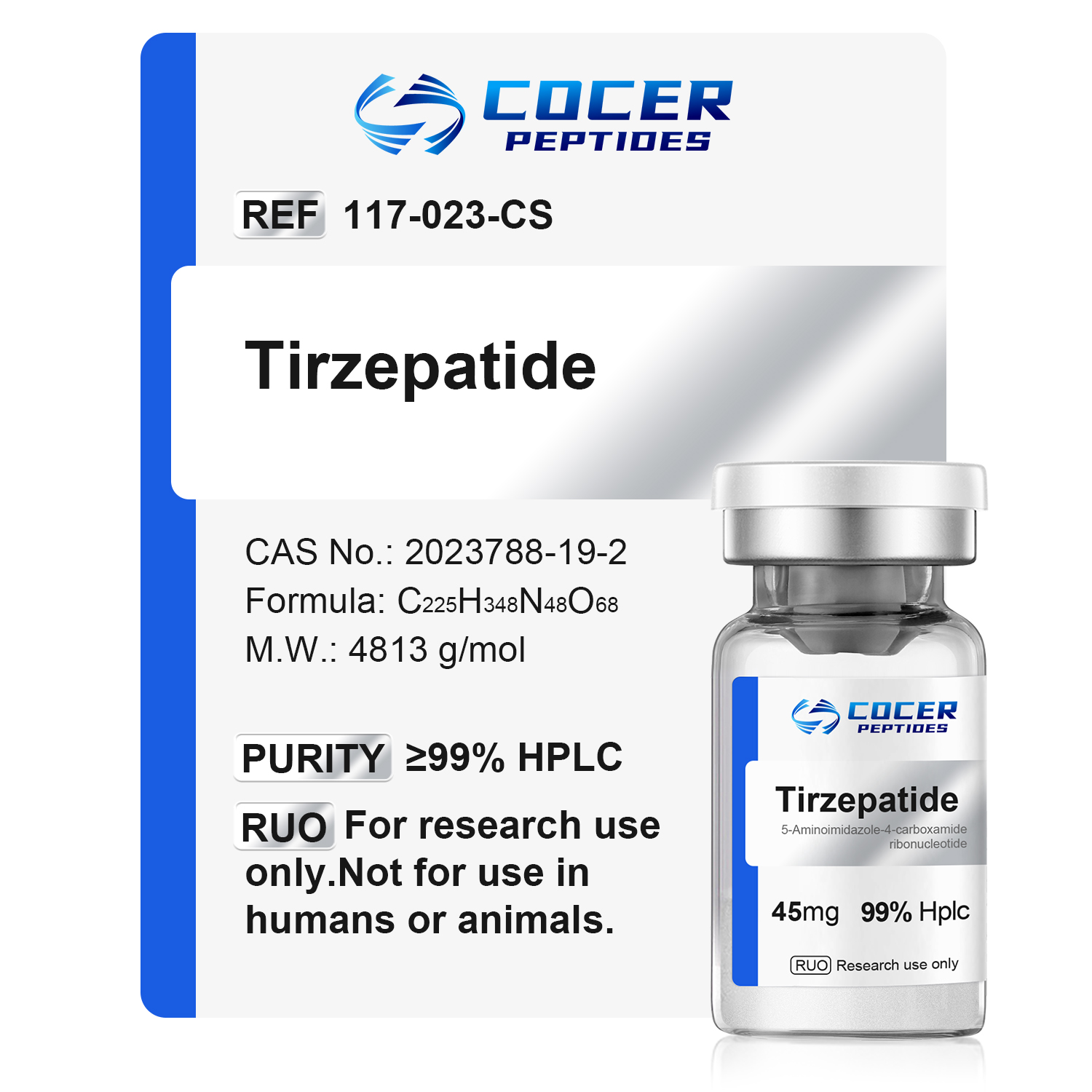
Both Semaglutid and Tirzepatid share common gastrointestinal side effects due to their mechanism of slowing gastric emptying. These include nausea, vomiting, diarrhea, and abdominal discomfort. While both medications can cause these issues, Tirzepatid may have a slightly lower incidence of severe side effects compared to Semaglutid. However, higher doses of Tirzepatid tend to cause more pronounced gastrointestinal side effects, which may deter some patients.
To reduce side effects, healthcare providers often start patients on lower doses of both Semaglutid and Tirzepatid, gradually increasing the dose to allow the body to adjust. This titration approach helps minimize gastrointestinal discomfort. It is also important to follow the recommended dosage schedules to avoid intolerable side effects.
Semaglutid is administered as a subcutaneous injection once a week. For individuals starting on Semaglutid for weight loss, the typical starting dose is 0.25 mg per week. The dose is gradually increased over several weeks to minimize potential side effects, reaching a maximum dose of 2.4 mg per week for weight loss.
Semaglutid is available under several brand names depending on the intended use. Ozempic is prescribed for managing type 2 metabolism, Wegovy is specifically for weight loss, and Rybelsus is an oral form used for type 2 metabolism management. Each form requires proper dosing and gradual titration to ensure optimal effectiveness and reduce gastrointestinal side effects such as nausea and vomiting.
Tirzepatid is also administered via subcutaneous injections once a week. The starting dose for Tirzepatid is typically 2.5 mg per week, but this can be adjusted based on the individual’s tolerance and treatment goals. The dose can be gradually increased to a maximum of 15 mg per week, depending on the patient’s response to the medication.
Tirzepatid is marketed under different brand names, such as Mounjaro for metabolism management and Zepbound for weight loss. Like Semaglutid, Tirzepatid requires a careful titration to minimize gastrointestinal side effects, including nausea, vomiting, and diarrhea. It's essential for patients to work closely with their healthcare provider to adjust the dosage appropriately.
While both Semaglutid and Tirzepatid are administered via weekly subcutaneous injections, Tirzepatid generally starts with a higher dose (2.5 mg) compared to Semaglutid (0.25 mg). Both medications are titrated gradually, but the dosing range for Tirzepatid extends up to 15 mg per week, offering a broader scope for dose adjustments based on patient needs. Semaglutid, on the other hand, has a maximum recommended dose of 2.4 mg per week for weight loss.
These differences in dosage and brand formulations highlight the individualized approach required when managing obesity or type 2 metabolism with these medications. It is crucial for patients to follow the dosing schedules and work closely with their healthcare provider for optimal results.
When deciding between Semaglutid and Tirzepatid, several factors must be considered to ensure the most effective treatment for the patient. The key factors to consider include:
Factor |
Semaglutid |
Tirzepatid |
Weight Loss Goals |
Suitable for moderate weight loss |
Better for those seeking significant weight loss |
Metabolism Management |
Primarily helps manage blood sugar, especially for those with cardiovascular risks |
Offers more comprehensive blood sugar control, especially for patients with obesity and metabolism |
Side Effects |
More common gastrointestinal issues (nausea, vomiting) |
Generally fewer severe side effects, but higher doses may lead to stronger gastrointestinal discomfort |
Insurance Coverage |
Wider insurance coverage, especially for metabolism treatment |
Coverage may be limited, especially for weight loss treatments |
Each patient's health needs vary, so the choice between Semaglutid and Tirzepatid should be based on individual health goals. For example, if weight loss is the primary objective, Tirzepatid might be a better option due to its more pronounced effect. However, for patients with cardiovascular risk, Semaglutid could be a more suitable choice due to its proven benefits in reducing heart attack and stroke risks.
Medical history is also an important factor. Patients with gastrointestinal issues or specific comorbid conditions may find one drug better suited to their body than the other. For instance, Semaglutid might cause more gastrointestinal discomfort, while Tirzepatid could be more tolerable for some patients.
If side effects are intolerable or treatment goals change, switching between Semaglutid and Tirzepatid is possible, but it must be done under the supervision of a healthcare provider. Switching between these medications requires adjusting dosages to ensure safety and tolerance, as the drugs have different mechanisms of action.
Both Semaglutid and Tirzepatid are highly effective for weight loss and managing type 2 metabolism. Semaglutid acts on the GLP-1 receptor, while Tirzepatid's dual receptor action offers enhanced effectiveness, especially for weight loss. Both medications come with potential side effects that require careful management.
The choice between Semaglutid and Tirzepatid should be made with the guidance of a healthcare provider, considering individual health goals and medical history.
Cocer Peptides™ offers tailored solutions to support weight management, providing value through its advanced peptide formulations.
A: Semaglutid acts on the GLP-1 receptor, while Tirzepatid combines GLP-1 and GIP receptor actions for enhanced effectiveness.
A: Both medications help reduce weight by controlling appetite and blood sugar levels, with Tirzepatid often showing superior results.
A: Tirzepatid’s dual receptor action provides a stronger effect on weight loss compared to Semaglutid's single GLP-1 action.
A: Both medications can cause gastrointestinal issues, but Tirzepatid generally results in fewer severe side effects than Semaglutid.
A: Both drugs are administered via weekly subcutaneous injections, with dosage adjustments based on individual tolerance.
A: Tirzepatid offers enhanced weight loss benefits and better blood sugar control due to its dual receptor action.


