
 By Cocer Peptides
 May 26, 2025
Cerebrolysin is a complex mixture of low-molecular-weight peptides and free amino acids derived from the controlled enzymatic hydrolysis of porcine brain proteins. First described in 1949 by Austrian researcher Gerhart Harrer at the University of Innsbruck, the preparation comprises approximately 85% free amino acids and 15% low-molecular-weight peptide fragments. Biochemical characterizations indicate that these peptide components share structural sequence similarities with endogenous neurotrophic factors, including brain-derived neurotrophic factor (BDNF), glial cell-derived neurotrophic factor (GDNF), nerve growth factor (NGF), and ciliary neurotrophic factor (CNTF).
In preclinical and laboratory settings, researchers study Cerebrolysin to characterize its interactions with various neurochemical pathways and cellular stress responses. In vitro and animal models demonstrate that peptide fragments within the mixture can cross the blood-brain barrier and interact with neurotrophic factor receptors, modulating intracellular cascades such as the PI3K-Akt and MAPK pathways. Research also evaluates its influence on neurotransmitter systems, specifically observing how it affects glutamate transport dynamics and extracellular glutamate accumulation during ischemic or hypoxic cell stress. Furthermore, cellular assays monitor the preparation’s relationship with intracellular reactive oxygen species (ROS) levels, enzymatic antioxidant activity (such as superoxide dismutase and glutathione peroxidase), and inflammatory signaling markers like TNF-α and IL-1β.
In international clinical literature and systematic reviews, Cerebrolysin is examined across several neurological research contexts, including acute ischemic stroke, subarachnoid hemorrhage, traumatic brain injury, and neurodegenerative conditions such as dementia. Trial data and meta-analyses evaluate outcomes ranging from post-stroke functional recovery scores to acute mortality rates and cognitive endpoints. However, regulatory status varies significantly by region; while approved as a prescription therapy in select European and Asian jurisdictions for specific cerebrovascular or cognitive indications, Cerebrolysin remains an unapproved investigational agent in the United States without FDA approval for clinical use.
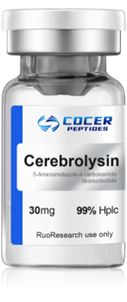
Product available for research use only:
ALL ARTICLES AND PRODUCT INFORMATION PROVIDED ON THIS WEBSITE ARE SOLELY FOR INFORMATION DISSEMINATION AND EDUCATIONAL PURPOSES.
The products provided on this website are intended exclusively for in vitro research. In vitro research (Latin: *in glass*, meaning in glassware) is conducted outside the human body. These products are not pharmaceuticals, have not been approved by the U.S. Food and Drug Administration (FDA), and must not be used to prevent, treat, or cure any medical condition, disease, or ailment. It is strictly prohibited by law to introduce these products into the human or animal body in any form.