
 By Cocer Peptides
 May 26, 2025
TB-500 Fragment (17–23) is a synthetic N-terminal acetylated peptide fragment corresponding to amino acid residues 17 through 23 (Ac-LKKTETQ) of human Thymosin Beta-4. Originally identified as a primary bioactive motif responsible for actin-binding and cellular migration within the full-length 43-amino-acid parent peptide, this specific heptapeptide sequence is studied extensively in biochemical research. The N-terminal acetylation alters charge distribution and spatial conformation, enhancing stability and modulating interactions with intracellular cytoskeletal proteins. In endogenous physiology, similar short peptide sequences can be generated through local proteolytic processing of Thymosin Beta-4 within mammalian tissues.
In preclinical and laboratory research, investigators evaluate TB-500 Fragment (17–23) to characterize its influence on cell dynamics, extracellular matrix regulation, and localized signaling pathways. In vitro studies demonstrate that the peptide interacts with G-actin, promoting actin polymerization and cytoskeletal reorganization. Experimental models observe altered migration dynamics in endothelial cells and fibroblasts following peptide exposure, attributed to the activation of signaling cascades such as the PI3K-Akt pathway. Furthermore, scientific literature monitors the fragment’s correlation with gene expression for collagen types I and III (COL1A1 and COL3A1), myogenic markers such as MyoD and Myogenin in satellite cell cultures, and inflammatory signaling pathways including NF-kB and macrophage polarization dynamics.
In global scientific literature, TB-500 Fragment (17–23) is examined across diverse preliminary research contexts, including cutaneous wound healing models, musculoskeletal injury assays, and myocardial tissue stress models. Published preclinical reports observe changes in cellular proliferation, capillary-like tube formation in endothelial assays, and inflammatory cytokine markers such as TNF-alpha and IL-1beta. Regulatory authorities worldwide, including the US Food and Drug Administration (FDA), have not approved TB-500 Fragment (17–23) for human use, therapeutic administration, or the treatment of any medical condition. Concerns regarding product purity, lack of controlled clinical trials, and unverified commercial distribution keep the compound strictly classified as an unapproved investigational research peptide intended solely for laboratory experimentation.
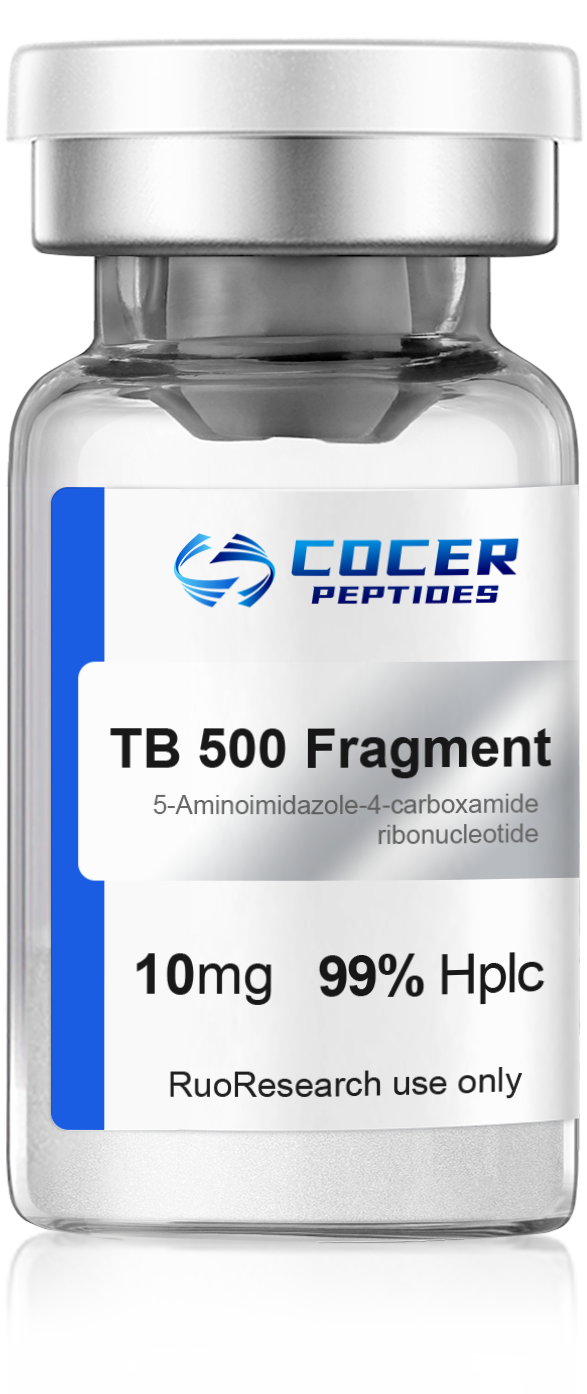
Product available for research use only:
ALL ARTICLES AND PRODUCT INFORMATION PROVIDED ON THIS WEBSITE ARE SOLELY FOR INFORMATION DISSEMINATION AND EDUCATIONAL PURPOSES.
The products provided on this website are intended exclusively for in vitro research. In vitro research (Latin: *in glass*, meaning in glassware) is conducted outside the human body. These products are not pharmaceuticals, have not been approved by the U.S. Food and Drug Administration (FDA), and must not be used to prevent, treat, or cure any medical condition, disease, or ailment. It is strictly prohibited by law to introduce these products into the human or animal body in any form.