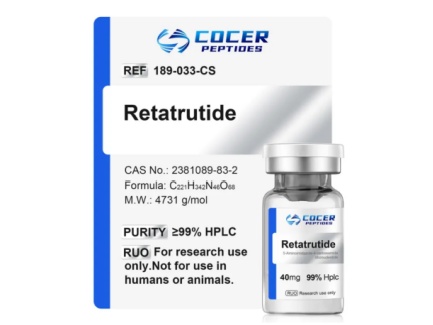
For many people following obesity and metabolic health news, the search phrase retatrutide how to get reflects a very practical concern. Readers are not only curious about the molecule itself; they want to know whether it is available now, whether it can be prescribed, and what legitimate access actually looks like. Interest has grown because retatrutide is being studied as a once-weekly triple agonist that targets GIP, GLP-1, and glucagon receptors, and Lilly’s development program has continued to advance across obesity, type 2 diabetes, sleep apnea, osteoarthritis-related pain, and other metabolic indications. At the same time, that attention has created confusion. Some people assume that strong clinical headlines mean commercial access is already possible, while others encounter vague or risky online claims. As of April 2026, the picture is clearer than many search results suggest: retatrutide remains investigational, it has not been approved by the FDA, and Lilly states that it is legally available only through its clinical trials. That makes it essential to separate real access from speculation.
What Is Retatrutid?
Retatrutid is an investigational once-weekly injectable medicine being developed by Lilly. The company describes it as a triple hormone receptor agonist because it activates receptors for GIP, GLP-1, and glucagon in a single molecule. This mechanism is one reason it has generated substantial interest in the weight management and metabolic research space.
What matters for readers, however, is not only what retatrutide does, but where it sits in the regulatory process. A treatment can be widely discussed in media reports and conference coverage while still remaining unavailable to the general public. That is exactly the issue here. Retatrutid is still being studied, which means public conversation is currently being driven by trial updates and pipeline expectations rather than ordinary patient access.
Why “Retatrutid How to Get” Is Being Searched So Often
The popularity of this keyword reflects a familiar pattern in healthcare search behavior. Once a promising investigational therapy begins producing notable data, search intent quickly shifts from “What is it?” to “Can I get it?” Retatrutid fits that pattern because Lilly has continued to release development updates and has reported Phase 3 progress in several indications, including obesity and type 2 diabetes.
Another reason this search term is growing is that readers are trying to compare future options with currently approved treatments. That curiosity is understandable, but it also increases the risk of misinformation. When a medicine is still in clinical development, the answer to “how to get it” is often much narrower than online chatter suggests. In this case, legitimate access remains limited.
Current Availability Status
Is retatrutide FDA approved?
No. Lilly says clearly that retatrutide is not currently approved by the FDA and remains an investigational medication. That means it has not yet completed the full regulatory path required for routine prescribing and public pharmacy distribution.
Is it available by prescription?
At this time, ordinary prescription access is not available. Because the drug is still investigational, it is not being offered as a standard commercial product through normal physician-prescribing and pharmacy-dispensing channels.
Is there a public launch date yet?
Lilly has not announced public availability. The company indicates that availability will depend on the completion of ongoing clinical trials and the regulatory review process. That means readers should view any claims of immediate access with caution.
Legitimate Ways to Access Retatrutid
1. Confirm the current status
Before acting on any online claim, verify whether the medicine is approved or still investigational. In retatrutide’s case, the official status remains investigational.
2. Look for legitimate clinical trial information
Official trial listings from Lilly and ClinicalTrials.gov show multiple studies involving retatrutide, including obesity-focused and diabetes-related programs. Trial access depends on eligibility criteria, location, and study status.
3. Discuss options with a licensed healthcare professional
A clinician can help determine whether pursuing a clinical trial conversation makes sense based on an individual’s medical history, current treatment needs, and risk profile. That step is far more reliable than relying on marketplace-style claims online. This is an inference grounded in the fact that official access is limited to regulated trials rather than commercial supply.
Why Unofficial Sources Are a Serious Risk
Lilly states that no one should consider taking anything claiming to be retatrutide outside of a Lilly-sponsored clinical trial and warns the public about the dangers of fake medicines. That is a strong statement, and it matters for anyone searching retatrutide availability or retatrutide how to get.
The problem is not simply legal uncertainty. It is also a quality and safety issue. Products sold through unverified channels may not offer confirmed identity, verified purity, appropriate storage conditions, or accurate dosing. Because retatrutide is still under study, even the legitimate clinical process is still evaluating safety and efficacy in a controlled way. That makes unofficial claims especially unreliable.

A Look at the Current Clinical Development Landscape
Retatrutid is not a dormant pipeline name. Lilly’s current pipeline and public materials show ongoing or recently updated Phase 3 development in obesity, type 2 diabetes, cardiovascular and renal outcomes, metabolic dysfunction-associated steatotic liver disease, chronic low back pain, and other related areas.
The company also announced in March 2026 that retatrutide met primary and key secondary endpoints in its first Phase 3 trial for type 2 diabetes, with significant reductions in A1C and body weight at 40 weeks. At the same time, Lilly reported gastrointestinal adverse events consistent with incretin-based therapies, which is a reminder that promising efficacy does not remove the need for continued formal evaluation.
Quick Comparison: What Is Legitimate and What Is Not?
Access Pathway | Current Status | Legitimate Today? | What It Means |
Lilly-sponsored clinical trial | Active | Yes | Access depends on screening and eligibility |
Standard doctor prescription | Not commercially available | No | Retatrutid is not FDA approved |
Retail pharmacy purchase | No routine public access | No | No standard dispensing channel exists |
Unverified online seller | Outside official access | No | Quality, authenticity, and safety concerns |
Official trial information | Publicly available | Yes | Best place to verify status and next steps |
This comparison reflects Lilly’s current position and the existence of ongoing official trial listings.
Questions Worth Asking Before You Pursue a Trial
Readers who are serious about legitimate access should ask better questions than “Where can I buy it?” A more useful starting point includes:
· Is there an actively recruiting study for my condition?
· Am I likely to meet the eligibility criteria?
· Is there a study site within realistic travel distance?
· What follow-up visits and safety monitoring are required?
· Are there already approved alternatives I should consider first?
Looking Ahead
What could change in the future?
Public availability could change only after the necessary clinical development and regulatory review are completed. Lilly’s public materials make clear that the timeline depends on those processes rather than on consumer demand or media attention.
Why does timing matter so much?
Timing matters because the difference between “promising” and “available” is substantial in medicine. Even when a late-stage drug looks encouraging, it still must pass through regulatory review, labeling decisions, and broader safety evaluation before becoming part of standard care. This is an inference consistent with Lilly’s stated approval status and ongoing trial program.
What should readers rely on in the meantime?
Readers should rely on official company updates, recognized clinical trial registries, and qualified medical advice rather than marketplace-style claims. On a topic like how to access retatrutide legally, the most trustworthy answer is still the safest one.
Final Thoughts
The growing interest in retatrutide reflects the market’s strong attention to next-generation peptide innovation and metabolic research. As discussions around this molecule continue to expand, more readers are looking for clear, practical, and professional information to better understand its potential applications, development direction, and industry relevance. From our perspective, high-quality communication in this field should not only focus on popularity, but also on scientific understanding, product knowledge, and long-term value. For companies, researchers, and industry professionals who want to follow peptide trends more closely, staying connected with experienced suppliers and knowledgeable industry partners can be highly valuable. If you would like to further explore retatrutide and related peptide topics, please contact Cocer Peptides Co., Ltd. We are committed to providing professional support, product-related information, and responsive service based on your business and research needs.
FAQ
1. Is retatrutide approved for public use right now?
No. Lilly says retatrutide is investigational and has not been approved by the FDA.
2. What is the legitimate way to get retatrutide today?
According to Lilly, the lawful route is participation in a Lilly-sponsored clinical trial, subject to eligibility requirements.
3. Are there active retatrutide studies listed publicly?
Yes. Public trial registries and Lilly’s trial finder show multiple ongoing or listed retatrutide studies in obesity and related indications.
4. Why should people avoid unofficial online sources?
Lilly warns about fake medicines and says people should not take anything claiming to be retatrutide outside a Lilly-sponsored clinical trial.