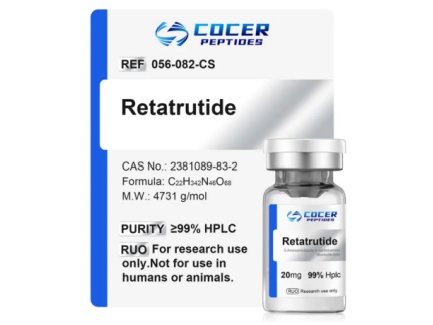
Obesity and related metabolic diseases have become major health challenges worldwide, prompting the search for more effective treatments. Among the latest innovations in weight-loss therapies, Retatrutid has garnered significant attention as a promising triple-agonist drug. Unlike traditional weight-loss medications, which target one or two receptors, Retatrutid is designed to activate three pathways—GLP-1, GIP, and glucagon receptors—offering the potential for enhanced weight reduction and metabolic improvements. As clinical trials advance, many are now turning their attention to the retatrutide cost and whether it will be accessible to those who need it most.
Currently, Retatrutid is still in the investigational phase and not yet approved for general use, but early clinical trial results are encouraging, showing significant weight loss benefits for patients struggling with obesity and overweight. This article explores the mechanism of action behind Retatrutid, the current cost of research-grade formulations, and what the future holds for this promising treatment.
Understanding the Triple-Agonist Mechanism of Retatrutid
One of the main reasons Retatrutid has attracted so much attention is its innovative triple-agonist mechanism. Unlike traditional therapies that focus on only one metabolic target, Retatrutid is designed to act on three important receptors linked to weight control and metabolic health. This broader mechanism is one of the key reasons it is considered a promising next-generation treatment.
· GLP-1 (Glucagon-Like Peptide-1)
GLP-1 is best known for helping reduce appetite and supporting blood sugar control. It can slow gastric emptying, increase feelings of fullness, and help patients eat less over time. Because of these effects, GLP-1 has already become an important pathway in well-known weight-loss treatments such as semaglutide.
· GIP (Gastric Inhibitory Polypeptide)
GIP plays a role in insulin secretion and metabolic regulation. When combined with GLP-1 activity, it may create a stronger overall metabolic response. Researchers believe this combination may help improve treatment performance beyond what a single-pathway drug can achieve.
· Glucagon
Glucagon adds another important dimension to Retatrutid’s mechanism. This pathway is associated with increased energy expenditure and fat oxidation, which means it may help the body burn more calories instead of only reducing calorie intake.
· Why this matters
By acting on all three pathways at once, Retatrutid may influence appetite, glucose metabolism, and energy use more comprehensively than earlier therapies. This is why many researchers see it as a major development in obesity treatment. Early Phase 2 studies have also strengthened interest, with notable weight-loss results reported over 24 to 48 weeks.
How Retatrutid Is Different from Other Weight Loss Medications
Unlike single-target drugs, which focus on one specific metabolic pathway, Retatrutid's unique design aims to maximize effectiveness by targeting multiple processes that influence weight loss. Many current weight-loss medications, such as GLP-1 receptor agonists like Ozempic and Wegovy, have proven effective in reducing appetite and controlling blood sugar. However, Retatrutid’s combination of GLP-1, GIP, and glucagon receptors is believed to offer a more holistic approach to managing weight.
Clinical Trial Results: Retatrutid’s Impact on Weight Loss
Phase 2 Trial: A Promising Start
In Phase 2 trials, Retatrutid demonstrated remarkable results in weight loss. According to the latest data released by Lilly, participants on Retatrutid experienced a mean weight loss of up to 24.2% at 48 weeks, which is significantly higher than what has been achieved with other treatments in similar trial conditions. These results helped establish Retatrutid as one of the most promising drugs in obesity treatment.
Phase 3 Trial: Continuing the Momentum
Building on the success of Phase 2 trials, Lilly has already moved Retatrutid into extensive Phase 3 trials to evaluate its efficacy and safety across a broader population. The Phase 3 studies will also explore the long-term effects of the drug and its potential benefits in managing conditions such as Type 2 diabetes, knee osteoarthritis, and even sleep apnea. Initial reports suggest that Retatrutid could reduce body weight by over 28% in patients with obesity and knee osteoarthritis. These findings offer hope for patients struggling with multiple chronic conditions.

The Retatrutid Cost Debate: What Does It Look Like Today?
Since Retatrutid is still in clinical trials, it is not yet available for public sale or prescription. However, as interest in the drug grows, so does curiosity around the cost of Retatrutid. As with many investigational drugs, the current pricing of research-grade Retatrutid can vary depending on the supplier and package size.
Retatrutid Cost in the Research Market
Currently, Retatrutid is available through select peptide suppliers who offer it in research-grade formulations. These prices are typically reflective of the cost for laboratory use rather than full prescription medications. The pricing for research-grade Retatrutid varies by dosage, with the following approximate costs:
Product | Dosage | Quantity | Cost (per kit) |
Retatrutid 10mg | 10mg | 1 kit (10 vials) | $200.00 |
Retatrutid 20mg | 20mg | 1 kit (10 vials) | $320.00 |
Retatrutid 30mg | 30mg | 1 kit (10 vials) | $430.00 |
Retatrutid 40mg | 40mg | 1 kit (10 vials) | $480.00 |
Retatrutid 50mg | 50mg | 1 kit (10 vials) | $580.00 |
As you can see, the retatrutide cost increases with the dosage, which reflects the growing complexity of the formulation and the intended use in clinical settings. However, these prices are for research purposes only, and the actual market price for a commercially available version of Retatrutid will likely differ once it is approved for general use.
Factors Affecting Retatrutid Cost
Once Retatrutid receives FDA approval and enters the commercial market, pricing will depend on several factors, including:
· Manufacturing costs: How efficiently the drug can be produced and distributed.
· Regulatory fees and patent protections: The cost associated with obtaining approval and securing exclusive rights to the drug.
· Competition from other weight-loss drugs: Prices will be influenced by how other treatments, like semaglutide or tirzepatide, perform in the market.
· Insurance coverage: If Retatrutid is approved, how insurance companies will cover its cost for patients may also play a role in its overall pricing.
Future Outlook: What Lies Ahead for Retatrutid?
Given the promising results from its Phase 2 trials, Retatrutid has the potential to change the landscape of weight loss treatment. If Phase 3 trials continue to deliver positive results, and regulatory bodies approve the drug, it could become a significant competitor to existing therapies like GLP-1 agonists and bariatric surgery.
However, while the drug’s efficacy appears promising, it is important to remain cautious about the unknowns—especially when it comes to cost. The retatrutide cost will ultimately play a significant role in how accessible the treatment will be for those who need it most. As with any new drug, healthcare systems, payers, and policymakers will need to balance cost with benefit when deciding how to integrate Retatrutid into treatment protocols.
Final Thoughts: A Look at Retatrutid and the Road Ahead
As a new triple-agonist weight loss treatment, Retatrutid holds immense promise for individuals living with obesity and metabolic disorders. Its ability to target three important metabolic pathways gives it a unique edge over other weight-loss therapies. However, much of the attention surrounding Retatrutid is based on its investigational status, with clinical trials still ongoing to fully determine its safety and long-term benefits.
While the retatrutide cost in the research market can give us an idea of the price range, the actual commercial cost will likely be influenced by many factors, from manufacturing to healthcare policy. For now, anyone interested in learning more about this treatment or staying updated on its progress should consider keeping an eye on the clinical data coming from its trials.
At Cocer Peptides Co., Ltd., we follow the developments of promising treatments like Retatrutid closely. Our commitment to providing high-quality peptides and pharmaceutical-grade products means that we can offer valuable insights into the peptide market and its evolving landscape. For those interested in understanding more about Retatrutid, whether it’s for research purposes or future therapeutic use, we encourage you to stay informed by following industry updates and reaching out to us for detailed product information.
FAQ
1. What is the primary benefit of Retatrutid over other weight-loss drugs?
Retatrutid is a triple-agonist, meaning it targets three metabolic pathways—GLP-1, GIP, and glucagon—offering a broader mechanism of action compared to other weight-loss drugs like GLP-1 agonists. This multi-target approach could potentially provide enhanced weight loss and metabolic benefits.
2. What is the current cost of Retatrutid?
Since Retatrutid is still in clinical trials, the only available prices are for research-grade formulations. Research pricing ranges from $200 for 10mg to $580 for 50mg per 10-vial kit. Prices may vary across suppliers and formulations.
3. When will Retatrutid be available for prescription use?
Currently, Retatrutid is still in Phase 3 clinical trials and has not yet received FDA approval. The timeline for its commercial availability depends on the outcome of these trials and regulatory review.
4. How does Retatrutid work?
Retatrutid works by targeting three key receptors involved in weight loss: GLP-1 for appetite regulation, GIP for glucose metabolism, and glucagon for energy expenditure. This triple-target approach is expected to provide a more comprehensive solution for weight management.