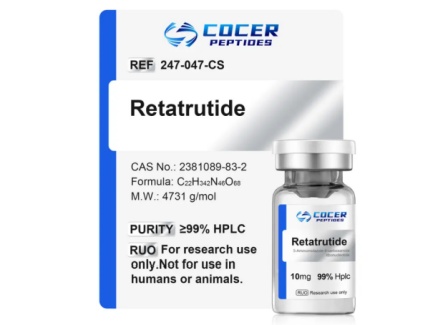
When people compare next-generation metabolic therapies, one name that increasingly stands out is retatrutide. Interest in this molecule has grown rapidly because it represents a broader pharmacologic approach than tirzepatide, targeting three receptors instead of two. At the same time, tirzepatide already has a strong real-world position: it is FDA-approved, commercially available, and supported by major clinical results in type 2 diabetes, obesity, and obstructive sleep apnea in adults with obesity. That creates a compelling comparison. On one side is an established dual agonist with proven use today; on the other is a newer triple agonist that many observers see as a possible next step in metabolic medicine. If the question is which drug is more exciting from an innovation perspective, retatrutide often looks more ambitious. If the question is which drug is more accessible today, tirzepatide clearly leads. The key is understanding where they differ in mechanism, efficacy, regulatory status, safety profile, and long-term potential.
What Tirzepatid Is and Why It Matters
Tirzepatid is a once-weekly injectable peptide developed by Lilly that acts as a dual agonist of the GIP and GLP-1 receptors. In the United States, tirzepatide is approved as Mounjaro for glycemic control in type 2 diabetes and as Zepbound for chronic weight management in adults with obesity, or overweight with at least one weight-related condition. Zepbound is also FDA-approved for moderate-to-severe obstructive sleep apnea in adults with obesity. That regulatory status gives tirzepatide a major practical advantage in today’s market.
What Retatrutid Is
Retatrutid is also a once-weekly injectable peptide from Lilly, but it goes one step further mechanistically. Instead of acting on two receptors, it is a triple agonist targeting GIP, GLP-1, and glucagon receptors. Lilly describes it as an investigational molecule, and as of March-April 2026 it remains in clinical development rather than public commercial use. The company states clearly that retatrutide has not been approved by any regulatory agency and is legally available only to participants in Lilly-sponsored clinical trials.
That investigational status is crucial, but it does not diminish why the molecule is attracting so much attention. Retatrutid is being studied not only in obesity and type 2 diabetes, but also across a wider cardiometabolic landscape, including established cardiovascular disease, liver-related metabolic disease, chronic low back pain in obesity, and knee osteoarthritis pain associated with obesity or overweight. This breadth suggests that researchers see retatrutide not merely as a weight-loss candidate, but as a broader metabolic platform.
Mechanism of Action: Where the Real Difference Begins
Tirzepatid activates GIP and GLP-1 receptors. This dual action supports improved insulin secretion, lower blood glucose, delayed gastric emptying, reduced appetite, and meaningful weight reduction. For many patients, that combination is already highly effective. It is one reason tirzepatide has become such a major name in obesity and diabetes care.
Retatrutid activates GIP, GLP-1, and glucagon receptors. The glucagon component is what makes it especially interesting. While glucagon is often associated with raising blood glucose, in the right pharmacologic context it may also support increased energy expenditure and fat metabolism. That added pathway is a major reason why retatrutide is often discussed as potentially more powerful than tirzepatide from a weight-loss standpoint.
From a scientific perspective, retatrutide represents a broader metabolic design. Tirzepatid was already a major step forward from single-pathway drugs; retatrutide may be the next attempt to widen the therapeutic effect. That does not automatically make it “better” in every patient or every use case, but it does explain why it is often viewed as the more innovative candidate. This is an inference grounded in the difference between dual and triple receptor targeting and the stronger weight-loss signals seen so far.
Efficacy: Where Retatrutid Looks Especially Compelling
Tirzepatid has already delivered impressive efficacy. In SURMOUNT-1, adults taking Zepbound 15 mg lost an average of 20.9% of body weight over 72 weeks, and in the head-to-head SURMOUNT-5 study, tirzepatide showed 20.2% average weight loss at 72 weeks versus 13.7% with semaglutide. Those are major results by any standard.
Retatrutid, however, is where the conversation becomes especially interesting. In Lilly’s phase 2 obesity results published in 2023, retatrutide achieved up to 24.2% mean weight reduction at 48 weeks as a secondary endpoint. More recently, Lilly reported Phase 3 type 2 diabetes data showing A1C reductions of 1.7% to 2.0% at 40 weeks and average body-weight reductions up to 16.8% at the 12 mg dose. Lilly also disclosed late-2025 TRIUMPH-4 results in obesity/overweight with knee osteoarthritis, where retatrutide 12 mg delivered 28.7% body-weight reduction on the efficacy estimand, although that specific context differs from broader obesity-only comparisons.
A Side-by-Side Comparison Table
Category | Tirzepatid | Retatrutid |
Core keyword relevance | Moderate in this article | High, as the emerging focus |
Receptor targets | GIP + GLP-1 | GIP + GLP-1 + glucagon |
Current status | FDA-approved for type 2 diabetes; approved as Zepbound for obesity/overweight and OSA in adults with obesity | Investigational only |
Current access | Prescription use for approved indications | Clinical trials only |
Weight-loss profile | Strong and commercially validated | Stronger potential signals so far, but still under development |
Innovation profile | Major advance over earlier GLP-1-only approaches | Often viewed as the next-generation step |
Risk of overstatement | Lower, because it is approved | Higher, because evidence is still emerging |
Overall outlook | Best practical choice today | More exciting long-term candidate |
The table makes the central point easier to grasp: tirzepatide is the stronger present-day option, while retatrutide may be the stronger future-facing option.
Safety and Tolerability
Tirzepatid safety in practice
Because tirzepatide is approved, its safety language is more mature and more clearly labeled. Product information notes gastrointestinal adverse reactions such as nausea, diarrhea, vomiting, constipation, abdominal pain, and dyspepsia among common issues. Boxed warning and contraindication language also exist in U.S. labeling.
Retatrutid safety signals so far
Retatrutid is earlier in its lifecycle, so its tolerability picture is less complete. Lilly’s reported Phase 3 diabetes results say the most common adverse events were gastrointestinal, including nausea, diarrhea, and vomiting, primarily during dose escalation. That is broadly consistent with what clinicians have seen across incretin-based therapies, but retatrutide still needs more time and larger datasets before its full profile is understood.
Why this matters in a comparison
A molecule can look more powerful and still require more caution. That is the balancing point here. Retatrutid may look more promising mechanistically and may ultimately prove more effective for some patients, but tirzepatide currently has the advantage of a better-defined safety and labeling framework.

Who Might Prefer Tirzepatid, and Who Is Watching Retatrutid?
For patients and clinicians making decisions today, tirzepatide is the practical answer because it is approved, prescribed, and supported by formal labeling. It is the option for real-world use now.
For researchers, pipeline watchers, and readers interested in where metabolic therapy is heading, retatrutide may be the more exciting molecule because of three factors:
1. Broader mechanism through triple agonism.
2. Very strong weight-loss signals in phase 2 and encouraging Phase 3 updates.
3. A wider strategic development footprint across obesity-related and cardiometabolic conditions.
So while it would be inaccurate to say retatrutide is already the better real-world treatment, it is reasonable to say that retatrutide is the candidate many people are watching more closely for the future. That framing captures both its promise and its current limitation.
Looking Ahead: Could Retatrutid Overtake Tirzepatid?
There are already official trial listings for a study directly comparing retatrutide and tirzepatide in adults with obesity, which shows how central this comparison has become. Lilly’s broader retatrutide program also continues through multiple TRIUMPH and TRANSCEND studies. In other words, the question is no longer whether retatrutide is important; it is whether its future data will be strong enough to justify a larger therapeutic shift.
If ongoing results continue to reinforce stronger weight loss and broad metabolic benefits, retatrutide could eventually become one of the most important next-generation obesity therapies in development.
Final Thoughts
When comparing tirzepatide and retatrutide, the fairest conclusion is not that one has already “won,” but that they occupy different positions in the treatment landscape. Tirzepatid is the more established option, backed by approval, availability, and extensive clinical use. Retatrutid is the more forward-looking candidate, supported by a broader triple-agonist mechanism and increasingly impressive data that suggest it may push the field further if future results continue to hold up. From our perspective, that is exactly why retatrutide deserves so much attention.it may be worthwhile to explore Cocer Peptides Co., Ltd. for further information.
FAQ
1. Is tirzepatide approved while retatrutide is not?
Yes. Tirzepatid is FDA-approved for type 2 diabetes as Mounjaro and for obesity/overweight and OSA in adults with obesity as Zepbound, while retatrutide remains investigational.
2. Why is retatrutide considered more advanced scientifically?
Because it targets three receptors—GIP, GLP-1, and glucagon—rather than two, which may produce broader metabolic effects and possibly stronger weight-loss outcomes.
3. Has retatrutide shown stronger weight-loss potential than tirzepatide?
Early and mid-stage signals are very strong, including phase 2 obesity results up to 24.2% mean weight reduction at 48 weeks and later trial updates with even larger efficacy-estimand figures in certain populations, but cross-trial comparisons still need caution.
4. Can readers legally buy retatrutide now?
No. Lilly says retatrutide is legally available only through its clinical trials, and the FDA has warned consumers not to buy unapproved products sold as research-use GLP-1-related drugs.