Navigating the modern wellness landscape is incredibly difficult. You constantly hear about peptides marketed aggressively across skincare, fitness, and longevity sectors. This widespread commercial hype makes it hard to separate clinical reality from marketing fiction. Functionally, they are simply short chains of amino acids. They act as biological signaling molecules. They instruct your cells on how to function, heal, or grow. Without them, your body cannot maintain proper cellular communication.
This article provides an evidence-backed framework. We will help you understand exactly what they do. You will learn how to evaluate their safety accurately. We will also help you determine if therapeutic or topical applications make sense for you. You can then align these choices with your specific health or aesthetic goals.
Table of Contents
Toggle
Key Takeaways
Peptides act as highly specific messengers, triggering targeted biological responses like collagen production, tissue repair, or metabolic regulation (e.g., GLP-1 medications).
Efficacy depends heavily on the delivery method—injectable, oral, and topical peptides serve entirely different clinical and practical purposes.
The peptide market contains significant regulatory variance; evaluating sourcing, FDA compliance, and medical oversight is critical before initiation.
Natural alternatives and lifestyle interventions can stimulate endogenous peptide production without synthetic supplementation.
How Peptides Function as Biological Messengers
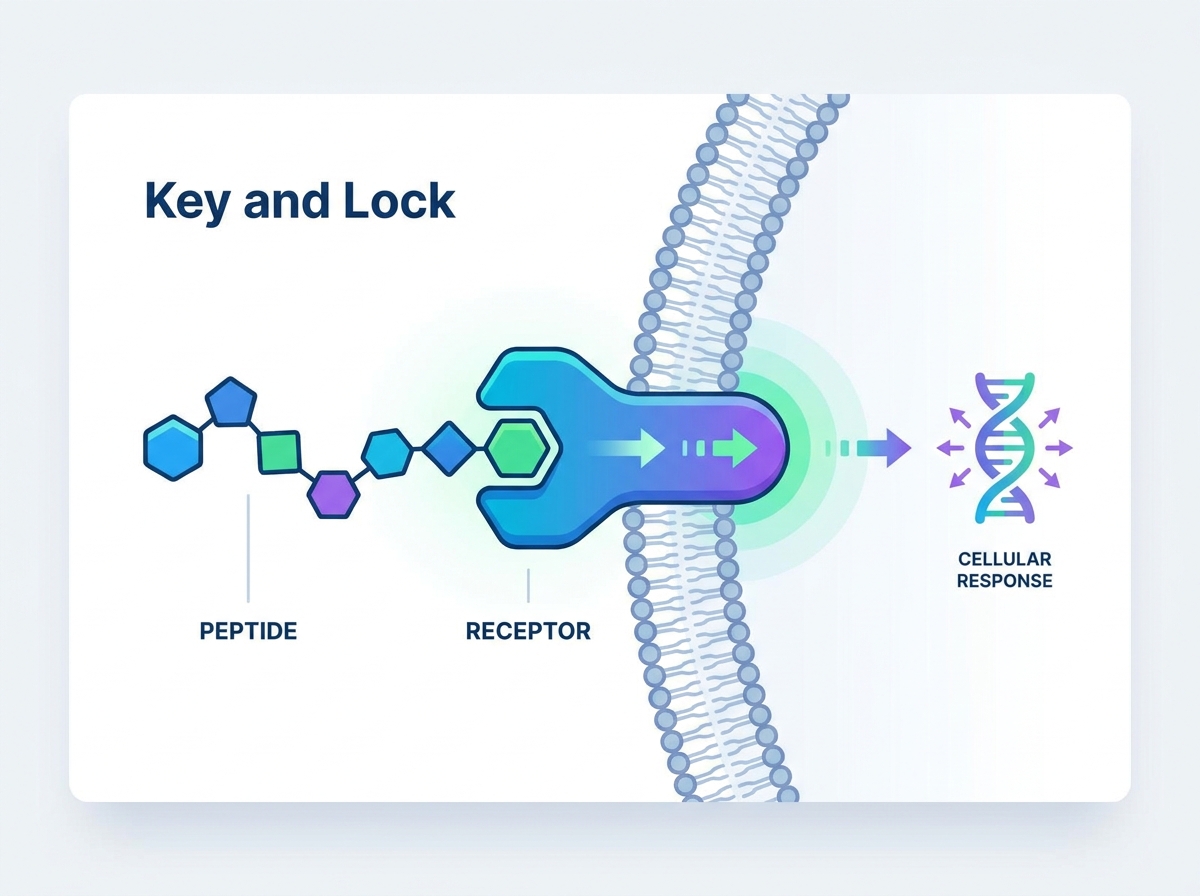
To understand these compounds, we must look at cellular communication. The human body uses biological messengers to maintain harmony. We call this the "key and lock" framework. Your cells have specific receptors on their surfaces. These receptors act as locks. Amino acid chains act as the keys. When a specific key enters the right lock, it triggers a precise action. It tells the cell to produce collagen, release hormones, or repair tissue. This precise binding avoids broad systemic disruption. It ensures the body only performs the exact requested action.
You probably already know several familiar examples in medicine. We use well-understood peptides every day in clinical settings. Consider insulin. Doctors prescribe it for blood sugar regulation. Insulin is simply a peptide hormone. It signals cells to absorb glucose from the bloodstream. More recently, GLP-1 agonists have dominated headlines. They provide metabolic signaling for weight management. Framing the science this way grounds the concept in established clinical use. It proves these are not experimental magic but proven biological tools.
We must also distinguish between two primary categories. Endogenous types are the ones your body produces naturally. Your system generates them constantly to regulate daily functions. Exogenous types are introduced from outside the body. We use therapies or supplements to deliver them. People usually introduce exogenous options to address declining natural production. Aging, stress, and injury can reduce your natural cellular signaling. Supplementing them helps restore optimal function.
What Do Peptides Actually Do?
Tissue Repair and Musculoskeletal Recovery
Many clinical applications focus on healing physical injuries. Specific chains signal the body to accelerate tissue repair. They promote a process called angiogenesis. Angiogenesis is the formation of new blood vessels. Better blood flow delivers essential nutrients to damaged areas. They also encourage cellular migration. This means they call repair cells directly to the site of an injury. Athletes often explore these options to heal muscle tears or joint damage.
However, we must address realistic success criteria. You must manage your expectations during injury recovery. They do not provide overnight healing. Exaggerated commercial claims often promise miraculous recoveries. Clinical reality is much slower. They support and optimize your natural healing timeline. They cannot replace physical therapy, rest, or surgical intervention. You should view them as biological amplifiers rather than instant cures.
Metabolic Regulation and Weight Management
Metabolic health is another massive area of application. Certain biological messengers control how your digestive system operates. They play a heavy role in gastric emptying. They slow down the rate at which food leaves your stomach. They also enhance insulin secretion in response to meals. Furthermore, they cross into the brain to provide appetite suppression. You feel fuller for longer periods. This makes caloric deficits much easier to maintain.
We must focus on verifiable outcomes supported by recent clinical data. Semaglutid is a perfect example. It mimics the natural GLP-1 hormone. Clinical trials show significant reductions in body weight. The mechanisms are well documented and FDA approved. It proves that targeted metabolic signaling works. But it requires consistent application and medical monitoring. You cannot out-signal a terrible diet. They work best alongside structural nutritional changes.
Aesthetic and Dermatological Outcomes
The beauty industry relies heavily on topical applications. Skincare formulations use them to improve skin texture and firmness. They signal fibroblasts in the dermal layer. Fibroblasts are cells responsible for structural integrity. The signaling encourages them to synthesize new collagen and elastin. These two proteins keep your skin plump and youthful. As we age, collagen production drops. Topical application aims to trick the skin into making more.
We need to set realistic expectations here as well. You must distinguish between the supportive role of serums and structural changes. Topical products provide gradual, mild improvements. They help maintain skin health over years of use. They cannot mimic the results of clinical procedures. A serum will not replace a facelift or dermal fillers. They serve as excellent daily maintenance tools within a broader regimen.
How to Choose the Right Peptide Delivery Method
How you introduce these compounds determines their effectiveness. The delivery method must match your ultimate goal. A mismatch will result in wasted money and zero results. Below is a comparison of the three primary delivery systems. We outline their specific use cases and inherent limitations.
Delivery Method
Primary Use Case
Bioavailability
Key Limitations
Topical Application
Aesthetic improvements (skincare)
Low (localized only)
Molecular weight barriers prevent deep skin absorption.
Oral Supplements
Gut health, systemic support
Variable to Low
Gastric acids degrade molecules before absorption.
Subcutaneous Injection
Clinical therapy, tissue repair
High (systemic)
Requires medical oversight, strict sterility, and prescriptions.
Topical application is best for localized aesthetic improvements. You apply creams or serums directly to the face or neck. However, they face severe limitations. The skin acts as a protective barrier. It blocks large molecules from entering. We call this the molecular weight barrier. Most peptides are simply too large to penetrate deeply. Skincare brands must engineer them specifically to cross the dermal barrier. Otherwise, they just sit on top of your skin.
Oral supplements present different bioavailability challenges. Your digestive system is hostile. Stomach acid is designed to break down proteins. When you swallow a capsule, gastric degradation usually destroys the active chains. Very little reaches your bloodstream. However, there are specific use cases where oral administration is viable. Gut-targeted formulations work well orally. They stay in the digestive tract to heal the gut lining. They do not need to enter the bloodstream to work.
Subcutaneous injections represent the clinical standard for therapies. A tiny needle delivers the compound into the fat layer under the skin. This guarantees systemic absorption. It bypasses the destructive gastric acids entirely. It reaches the bloodstream quickly and efficiently. But this method comes with strict requirements. You need proper medical oversight. You must ensure absolute sterility of the vials and needles. Proper dosing protocols are non-negotiable to avoid receptor fatigue.
Peptide Safety, Side Effects, and Regulatory Considerations
The market currently faces a massive sourcing problem. You must contrast pharmaceutical-grade products with unregulated alternatives. Compounding pharmacies produce safe, verified medications. They operate under strict quality control. In contrast, "research-only" or gray-market online vendors sell unverified vials. They often lack purity testing. They may contain heavy metals, endotoxins, or incorrect dosages. Injecting gray-market products carries severe infection and immune risks. You should never bypass professional medical channels.
FDA compliance and regulatory status are constantly evolving. The regulatory landscape changes rapidly. Note recent FDA crackdowns on specific compounded formulas. The shifting status of certain regenerative treatments has confused many patients. The FDA recently reclassified several popular compounds. They moved them to categories that restrict compounding pharmacies from producing them. This emphasizes the importance of working with licensed practitioners. They understand the current legal framework and keep you safe.
You must also understand known side effects and contraindications. We must transparently list potential adverse reactions. This builds trustworthiness and helps you make informed decisions. Watch out for these common issues:
Injection site irritation: Redness, itching, or swelling where the needle entered.
Water retention: Mild to moderate bloating in the extremities.
Hormonal fluctuations: Changes in hunger cues, mood, or energy levels.
Nausea: Common with metabolic and gastric-targeting chains.
Headaches: Often caused by rapid changes in blood flow or blood sugar.
If you experience severe reactions, stop usage immediately. Always consult your prescribing doctor. They can adjust your dose or change the delivery method. Never attempt to push through painful side effects on your own.
Natural Alternatives to Synthetic Peptide Therapy
You do not always need synthetic intervention. Your body is highly capable of endogenous production. You just need to supply the right environment. Dietary amino acids provide the essential building blocks. Consuming high-quality protein is your first line of defense. Foods like bone broth, lean meats, and eggs are incredibly rich in amino acids. Your digestive system breaks them down. Your body then recombines them into the specific signaling molecules it needs. A protein-deficient diet guarantees poor cellular signaling.
Lifestyle triggers also play a massive role. You can naturally stimulate production through behavior. Consider the following natural interventions:
Resistance Training: Lifting heavy weights creates micro-tears in muscle fibers. This triggers a massive release of repair-signaling molecules.
Fasting Protocols: Intermittent fasting lowers insulin levels. This creates an environment that stimulates natural growth hormone pathways.
Deep Sleep Optimization: Slow-wave sleep is critical. Your brain releases the highest concentration of restorative hormones during deep sleep. Focus on a dark, cool room and consistent sleep schedules.
Heat Exposure: Sauna use can activate heat shock proteins. These assist in cellular repair and longevity signaling.
We recommend a clear shortlisting logic. Provide yourself with a framework for deciding on clinical therapy. First, audit your diet. Are you eating enough complete proteins? Second, assess your sleep and exercise habits. Are you lifting weights and sleeping eight hours? You should exhaust natural alternatives before pursuing clinical therapy. If you optimize your lifestyle and still face health deficits, clinical intervention makes sense. Do not use injections to band-aid a terrible lifestyle.
Conclusion
In summary, these compounds offer powerful biological signaling capabilities. However, they are absolutely not magic bullets. They require precise application and high-quality sourcing. Oral, topical, and injectable formats all serve distinct purposes. You must align the delivery method with your ultimate goal. Furthermore, lifestyle alignment is critical. A poor diet and bad sleep will blunt the effectiveness of any therapy. You must respect the strict safety and regulatory guidelines to avoid unnecessary risks.
We recommend a very clear next step. Do not attempt to self-diagnose or self-prescribe. Consult with a longevity specialist, endocrinologist, or board-certified dermatologist. Discuss your exact symptoms and goals. They will help map a specific, legally sourced compound to your diagnosed problem. Professional guidance ensures you get safe, verifiable results.
FAQ
Q: Are peptides the same as steroids?
A: No. They operate through entirely different biological mechanisms. Steroids typically enter the cell and directly override hormonal production, causing broad systemic changes. Peptides simply act as messengers. They bind to receptors on the outside of the cell to signal a specific, targeted action, like releasing a hormone or building tissue. They are far more precise.
Q: Are peptide therapies legal?
A: The legality depends heavily on the specific compound and its source. FDA-approved medications (like insulin or semaglutide) are entirely legal with a prescription. Legally compounded formulas prescribed by a doctor are also permitted, though FDA rules frequently shift. Unregulated market products labeled "for research only" bypass safety laws and carry significant legal and medical risks.
Q: How long does it take to see results from peptides?
A: You must adhere to a realistic timeline based on the application. For topical skincare, visible changes usually take 8 to 12 weeks of daily use. For tissue recovery or metabolic therapies via subcutaneous injection, you might notice subtle shifts in 4 weeks. Full clinical benefits often require 3 to 6 months of sustained therapy.
Q: Can you take multiple peptides at once?
A: Yes, this practice is called "stacking." However, it carries significant risks if done improperly. You face the danger of receptor fatigue or adverse interactions. Stacking highlights the absolute necessity of medical supervision. A doctor can design a safe protocol that ensures multiple chains work synergistically rather than competing for the same biological pathways.